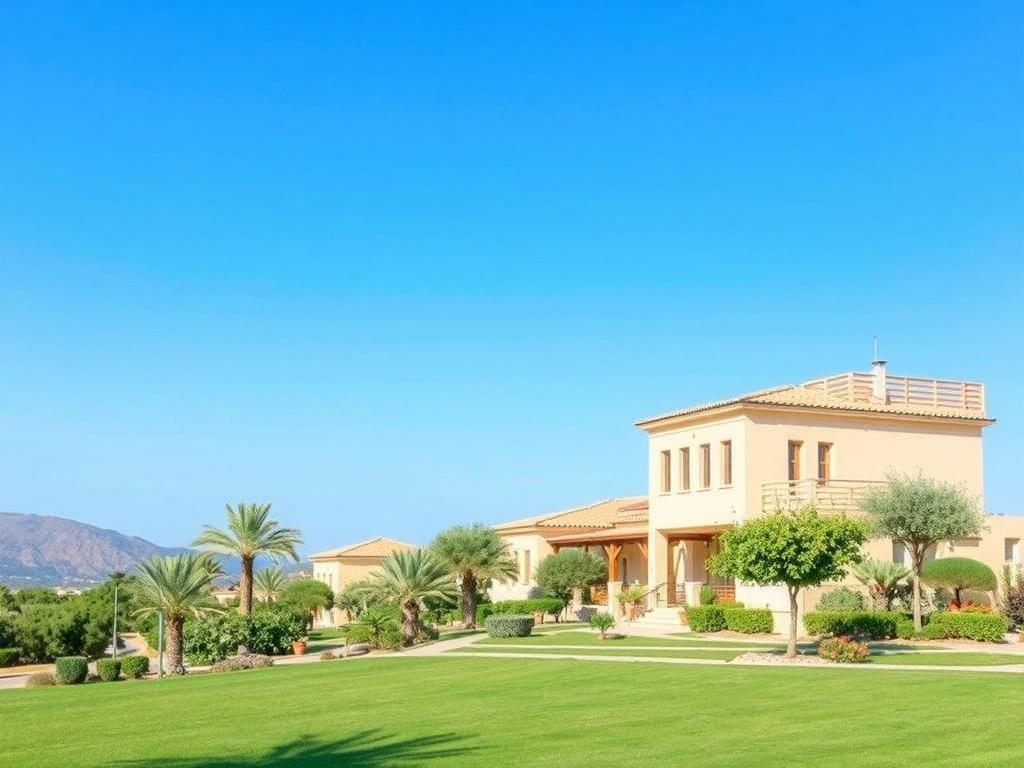
Senior Living Options: Retirement Communities and Care Services in Cyprus
Choosing where and how to spend retirement is a decision that blends practical needs, emotional well‑being, and long‑term planning. Cyprus retirement living offers a distinctive combination of Mediterranean climate, established healthcare infrastructure, and a mix of property choices that appeal to international and local retirees alike. For those beginning the search, the first practical step may be identifying suitable real estate options; consider listings like property for sale in Limassol Cyprus to understand market positioning and the kinds of retirement properties Cyprus has to offer.
This article lays out a comprehensive, technical, and narrative guide to senior communities Cyprus, elderly care Cyprus options, retirement properties Cyprus, and Cyprus aging services. The aim is to present clear distinctions among housing models, explain regulatory and financing frameworks, map out the healthcare ecosystem, and provide pragmatic checklists for selecting and transitioning into an appropriate living arrangement. Readers will find detailed descriptions, a comparative table of property types, practical lists, and short attention blocks highlighting essential takeaways.
Why Choose Cyprus for Retirement?
Cyprus offers a compelling argument for retirement rooted in climate, culture, and cost dynamics. The country’s Mediterranean climate reduces seasonal extremes, which can be beneficial for common chronic conditions such as arthritis and cardiovascular disease. Beyond weather, Cyprus has a strong expatriate presence in coastal cities and rural communities, creating social ecosystems that are responsive to international standards and preferences.
There is an economic logic as well: while prime urban real estate can be costly, many regions provide affordable retirement properties Cyprus buyers find attractive for their combination of accessibility and value. The local culture prioritizes family ties and respect for elders—an ethos that shapes informal support networks and community interactions. For retirees seeking a layered lifestyle—privacy when desired and community engagement when wanted—Cyprus offers varied options.
Cyprus combines climate advantages, accessible healthcare, and property diversity—key factors that make it a viable destination for long‑term retirement planning.
Understanding Senior Living Options in Cyprus
Senior living in Cyprus is not a single product; it is an array of options ranging from independent apartments to licensed assisted living and skilled nursing facilities. Knowing the distinctions is critical when matching a person’s functional status and expectations with the appropriate setting. Each model implies different staff levels, regulatory oversight, and cost structures.
Policies governing elderly care Cyprus differ depending on whether a provider is public, private, or non‑governmental. Licensed facilities must meet standards for staffing, safety, and medical supervision; however, integration with public health services varies by district. Understanding the licensing and inspection routines of local authorities is essential before committing to any community or care arrangement.
Independent Living and Retirement Villages
Independent living is targeted at active retirees who value autonomy but prefer a community environment with low‑maintenance properties and social programming. Retirement villages typically feature individual units or apartments, communal areas, light maintenance services, and organized activities. These settings are ideal for retirees who do not require daily assistance but anticipate accessing social services or minor support as needs evolve.
From a technical perspective, independent living communities operate on a residency or lease model. Some are part of larger hospitality or real estate developments and may offer optional services like housekeeping, meal plans, and transport coordination. For international retirees, the availability of English‑speaking staff and management can be a decisive factor when selecting a village.
Assisted Living and Residential Care Homes
Assisted living facilities provide personal care support—help with bathing, dressing, medication management, and mobility—while preserving a degree of independence. These facilities are staffed with trained caregivers and often include 24/7 assistance. The primary differentiator from independent living is the intensity and continuity of personal care services.
Assisted living in Cyprus can be offered by private operators or charitable organizations. Inspection standards focus on staffing ratios, care planning, emergency response systems, and the physical environment’s accessibility features. Families should assess individualized care plans, staff qualification records, and clinical oversight mechanisms when considering assisted living.
Skilled Nursing and Long‑Term Care Facilities
Skilled nursing facilities provide high‑level medical and nursing care for people with complex health needs—post‑surgical recovery, advanced dementia care, or chronic disease management requiring professional nursing input. These facilities are clinically oriented and may be connected to hospital systems or operate as standalone units with registered nurses and licensed therapists on staff.
The decision to move into long‑term care is driven by clinical indicators: need for specialized wound care, enteral feeding, continuous oxygen therapy, or intensive rehabilitation. Regulatory requirements for such facilities include compliance with medical licensing bodies, infection control protocols, and clinical governance frameworks that ensure continuity and quality of care.
Retirement Properties: Types and Features
When evaluating retirement properties Cyprus offers a range from town center apartments to gated coastal developments and countryside villas. Each property type presents different maintenance expectations, accessibility concerns, and potential for adaptation as mobility changes. Selection should account for proximity to health services, public transport, and community amenities.
A technical review of property types clarifies tradeoffs: apartments provide lower upkeep but limited outdoor space; villas offer gardens and privacy but require more maintenance; purpose‑built retirement residences combine private living with communal amenities and on‑site services. Legal title, tenure security, and tax considerations are also important variables when assessing value over a potential multi‑decade residence.
| Property Type | Typical Features | Pros | Cons |
|---|---|---|---|
| Apartment (Urban) | Low maintenance, elevator access, close to services | Convenient, secure, often cheaper to maintain | Limited outdoor space, noise |
| Villas (Suburban/Rural) | Private gardens, multiple levels, spacious | Privacy, outdoor living, resale appeal | Maintenance, potential isolation |
| Purpose‑Built Retirement Residence | On‑site services, communal dining, tailored design | Integrated care options, social programming | Higher fees, variable availability |
| Assisted Living Facility | Care staff, adapted units, clinical oversight | Care continuity, safety features | Less private, ongoing care costs |
Matching property type to anticipated mobility and social needs reduces the likelihood of premature re‑housing and preserves quality of life.
Health, Medical and Cyprus Aging Services
Health services for older adults in Cyprus include public hospitals, private clinics, primary care physicians, and a growing range of Romania‑style home care providers. For retirees, continuity of primary care and access to geriatric expertise are core considerations. The public health system provides universal care, but private sector services often fill gaps in accessibility and specialist availability.
Cyprus aging services cover formal licensed home care, day centers, rehabilitation therapy, and specialist dementia programs. Home care is especially relevant for those who choose to age in place: trained carers can assist with activities of daily living, medication oversight, and coordination with clinical teams. Quality assurance is a mix of statutory oversight and reputation‑based assessment; families should request references, care plans, and insurance coverage details.
- Primary care and geriatric outpatient clinics for chronic disease management.
- Home care providers offering personal and domestic support on scheduled visits.
- Day respite centers that provide socialization, meals, and supervised activities.
- Rehabilitation and physiotherapy services for post‑acute recovery.
Across Cyprus, the integration between health providers and social services varies by district. Urban centers tend to have better multidisciplinary teams; rural areas may rely more heavily on family carers supported by periodic professional visits. Telemedicine has been increasingly adopted for follow‑up consultations—a useful tool for expatriate retirees who require specialist input without frequent travel.
Senior Communities Cyprus: Amenities and Culture
Senior communities in Cyprus come in varied cultural flavors: some are oriented toward local traditions and family involvement, while others cater to international retirees with English‑language programming and multicultural social calendars. Amenities range from communal dining rooms and gardens to on‑site physiotherapy and excursion coordination.
Social infrastructure within senior communities is as important as clinical services. Regularly scheduled activities—exercise groups, language classes, cultural outings—impact mental health and reduce social isolation. Communities that encourage intergenerational activities with local schools or volunteer groups often report better resident satisfaction scores.
Community design that supports meaningful activity and social connection is linked to measurable improvements in cognitive and emotional health among older adults.
Operational models for senior communities also vary. Some operate as membership clubs with fees tied to amenity use; others function as fee‑for‑service residential care. Governance is an important differentiator: communities run by experienced healthcare organizations will be more focused on integrated care pathways, while those run by real estate companies emphasize property management and lifestyle facilities.
Costs, Financing and Legal Considerations
Understanding the cost structure for senior living is fundamental. Upfront costs can include purchase price, community entry fees, or security deposits. Recurring costs may involve maintenance fees, service charges, care fees, and medical co‑payments. For retirement properties Cyprus purchasers, tax implications and property laws must be reviewed with a qualified local solicitor.
Financing options include conventional mortgages, equity release for existing homeowners, or life‑lease arrangements in purpose‑built retirement schemes. International retirees should be mindful of currency risk and the tax treatment of rental income if they plan to let properties during periods of absence. It is advisable to secure legal counsel experienced in cross‑border transactions and elder law.
- Review title deeds and ensure clear ownership structures.
- Assess ongoing service charge schedules and what they cover.
- Clarify exit clauses and resale policies in community contracts.
- Understand local tax obligations and inheritance rules.
Insurance is another critical component: long‑term care insurance is still a niche product in Cyprus but can mitigate the financial risk associated with escalating care needs. Home and contents insurance, liability insurance for community operators, and professional indemnity for care providers are all components of a robust risk management strategy.
Choosing the Right Community: A Practical Checklist
Deciding on a community or care setting requires structured evaluation. A practical checklist that balances objective clinical criteria with subjective quality‑of‑life measures can streamline decision‑making and reduce the influence of marketing or emotional pressure. This checklist should be used during on‑site visits and interviews with staff and residents.
Important categories include clinical capability, staffing levels, environmental safety, social programming, transport links, and the legal clarity of contracts. Asking for a copy of medication management protocols, staff training records, and recent inspection reports will reveal the operator’s operational rigor.
- Confirm levels of care and staff qualifications (RNs, carers, therapists).
- Inspect physical accessibility: ramps, handrails, non‑slip surfaces.
- Review emergency response systems and evacuation procedures.
- Evaluate nutrition and meal service options, including dietary accommodations.
- Assess social and therapeutic programming for engagement and rehabilitation.
- Understand financial terms: deposits, fee escalation clauses, refund policies.
- Speak with current residents and family members about lived experience.
For expatriate retirees, additional checklist items should include language support, legal residency implications, and ease of travel to home countries. A staged decision process—short stay, trial period, followed by longer‑term commitment—can reduce the risk of misalignment between expectations and reality.
Designing Homes and Environments for Aging in Place
Aging in place is a deliberate design challenge that balances independence with safety. Practical home adaptations can extend independent living: single‑level layouts, lever‑style door handles, walk‑in showers with grab rails, and clear circulation spaces that accommodate mobility aids. An occupational therapist assessment provides individualized recommendations grounded in functional testing.
Technology plays an expanding role in supporting independence: sensor systems for falls detection, remote monitoring platforms integrated with local care services, and telehealth setups for routine consultations. While technology cannot replace human care, it can reduce risk and provide families with timely alerts when intervention is needed.
When retrofitting existing retirement properties Cyprus owners should prioritize reversible adaptations to preserve property value. Universal design principles—lighting with minimized glare, non‑slip flooring, and reachable storage—benefit older adults without compromising aesthetics or resale potential.
Transitioning and Moving — Practical Steps
Moving into a senior community or care setting is a complex process that requires logistical coordination and emotional sensitivity. A staged transition reduces stress: downsizing possessions, planning for secure storage or sale, and establishing clear timelines for moving day. Engaging professional movers with experience in senior transitions can streamline physical relocation and reduce risk of injury.
Psychological preparation matters. Establishing continuity—bringing familiar items, planning immediate social introductions, and scheduling early medical reviews—helps residents adjust quickly. Family involvement must be calibrated: supportive presence without overwhelming can allow new residents to assert autonomy and form new routines.
Successful transitions combine practical logistics with planned social and clinical continuity to preserve dignity and speed adaptation.
Coordination with healthcare providers is essential. Transfer summaries, medication lists, and care plans should be communicated in advance. If the move involves cross‑border residency changes, ensure documentation for healthcare entitlements and supply chains for essential medications is in order before departure.
Case Studies and Real‑Life Examples
Real‑life examples illustrate how theory translates into practice. Consider a retired couple who chose a purpose‑built retirement residence near Limassol: their selection prioritized proximity to specialist centers and English‑speaking staff. By choosing a residence with modular care tiers, they secured a long‑term plan that allowed increased support to be introduced without disruptive relocation.
Another example involves an individual who opted to age in place in a village home near Paphos. Investment in home modifications, a local home‑care provider for daily support, and telemedicine connections to a city clinic created a hybrid model combining independence and clinical safety. Both examples show how matching choices to projected trajectories can be more effective than reacting to crises.
These case studies also highlight governance variables: providers that maintain transparent service contracts, perform regular clinical audits, and facilitate family communication consistently deliver better outcomes. The presence of local advocacy groups and municipal supports can markedly improve access to Cyprus aging services for lower‑income retirees.
Planning Today for a Confident Tomorrow: Next Steps
Planning for senior living is an iterative process that benefits from early, informed decisions. The first practical actions include conducting a thorough needs assessment, consulting legal and financial advisors, and visiting a shortlist of communities with a structured checklist. Early planning allows time to explore Cyprus retirement living options, compare senior communities Cyprus offerings, and secure retirement properties Cyprus under favorable market conditions.
Build a care roadmap that anticipates likely points of transition—when home adaptations will suffice, when home care becomes necessary, and when a move to assisted or skilled nursing care might be required. Engage with local providers to understand how elderly care Cyprus services can be scaled, and ensure that your financial plan includes contingencies for escalating care costs. Above all, prioritize choices that preserve autonomy, dignity, and social connection.
Finally, treat decision‑making as a team activity: involve family, professional advisors, and prospective providers early. This collaborative approach reduces the cognitive load on the retiree, clarifies expectations for everyone involved, and usually results in more sustainable and humane care arrangements.
Questions People Ask and Where to Find Help
Access to reliable information is crucial. Begin with local municipal social service offices and accredited healthcare providers to request lists of licensed facilities and inspection reports. International real estate agencies and legal firms specializing in cross‑border retirements can provide robust guidance on purchase, tax, and residency issues. Non‑governmental organizations and expatriate networks often serve as practical sources for lived experience and peer recommendations.
When evaluating providers, demand evidence: recent inspection results, professional accreditation, staffing rosters, staff training records, and references from current residents. Validate claims by speaking with multiple sources and by triangulating information from government registries, professional associations, and consumer reviews in community forums.
Essential Resources and Contacts
Compile a resource list that includes primary care providers, nearest hospitals, home care services, legal counsel, financial advisors specializing in elder law, and local advocacy groups. For international retirees, embassy or consular support can help navigate residency regulations, and international health insurance brokers can clarify cross‑border coverage options.
Document all contact details, insurance policy numbers, medication lists, and important legal documents in a secure binder or digital folder accessible to trusted family members. Regularly update the list and perform a yearly review of care arrangements and financial planning to ensure alignment with changing needs and laws.
Final Thought: Making Real Choices with Practical Confidence
Deciding where to live and how to secure care during later life stages is an inherently personal but practically solvable problem. Cyprus offers a range of environments and services that can fit diverse needs—whether the priority is a vibrant social community, proximity to medical centers, or a tranquil rural setting with tailored home care. The best outcomes come from intentional planning: assessing needs, mapping resources, and selecting solutions designed to adapt as circumstances change.
Use the frameworks and checklists provided in this article to structure visits, questions, and financial analysis. Engage experts where needed, and involve trusted family or advisors. By combining technical planning with thoughtful attention to personal priorities, you can create a retirement plan that preserves dignity, health, and quality of life in Cyprus.
Frequently Asked Questions
1. What are the main types of senior living available in Cyprus?
Answer: The main types are independent living (retirement villages and apartments), assisted living (residential care homes with personal support), and skilled nursing (long‑term medical and nursing care facilities). Each type differs by level of clinical support, staffing, and cost.
2. How do I verify the quality of elderly care Cyprus providers?
Answer: Request licensing and inspection reports, ask for staff qualifications and training records, review clinical governance documents, and speak with current residents and families. Cross‑check claims with municipal registries and professional bodies.
3. What financial considerations should I prepare for when buying retirement properties Cyprus?
Answer: Plan for upfront purchase costs, ongoing service charges, possible community entry fees, care fees, taxes, and insurance. Consult a local solicitor and financial advisor to understand title deeds, tax liabilities, and exit provisions.
4. Can I receive public healthcare as a retiree in Cyprus?
Answer: Yes, Cyprus has a public health system accessible to residents, but service availability and wait times vary. Many retirees use private providers for faster access and specialist care; ensure you understand entitlement based on residency status and insurance coverage.
5. What adaptations are most important for aging in place?
Answer: Key adaptations include single‑level living or lift access, walk‑in showers with grab rails, non‑slip flooring, improved lighting, and reachable storage. An occupational therapist can provide a personalized adaptation plan.
6. How do I choose between a property and a purpose‑built retirement residence?
Answer: Compare maintenance responsibilities, proximity to services, availability of care tiers, social programming, and financial implications. A property offers autonomy and potential capital value; a residence offers integrated services but often higher ongoing fees.
7. Where can expatriates find support for residency and legal matters related to retirement in Cyprus?
Answer: Contact the relevant consulate or embassy for preliminary guidance, and consult local lawyers experienced in immigration, property, and elder law. Expatriate networks and relocation advisors provide practical advice on integration and local services.
Author

Petros Christofi
On any given morning you’ll catch me balancing a drone’s view of Cyprus rooftops with a spreadsheet of residency permits. I’m a migration solicitor who tackles visa rules like sudoku—every line must resolve neatly before sunset. After sealing a property deal, I pedal the Salt Lake trail to test if a buyer’s new commute feels right. My mission is simple: decode the island’s paperwork so you can start calling the mezé place “your local.”