Water Sports and Recreation: Cyprus Coastal Activity Hubs
Cyprus offers a coastline that combines geological variety, predictable winds, and a cultural readiness for maritime life, making it a compelling destination for anyone seeking waterborne adventure. From sheltered bays ideal for families to open stretches that challenge seasoned sailors and divers, this island has built an infrastructure around activities and services that support consistent participation year after year. The technical and practical facets of Cyprus water sports are worth understanding before arrival: tidal regimes, wind windows, seasonal sea temperatures, licensing, and local operator standards all shape the experience.
If you are considering long-term residence or more formal ties that make repeated visits easier, learn more about how to get a Cyprus passport via this resource: how to get a Cyprus passport. That practical step can be decisive for professionals working in marine services or avid enthusiasts who plan to base boats and equipment on the island. This article takes a technical, operational, and narrative look at Coastal recreation Cyprus in order to help readers plan, evaluate risks, and select the right hubs for their preferred pursuits.
Cyprus’s Coastal Geography and Activity Hubs
The island’s coastline spans varied geomorphology: sandy beaches, rocky promontories, layered limestone cliffs, shallow bays, and deeper continental-shelf edges. Each type of shoreline supports distinct activities. Sandy, shallow coves are natural magnets for families and casual swimmers; gravel and rocky areas shelter small marinas and diving entry points; headlands and open stretches develop reliable wind corridors for sailing and wind-based sports. Locational differences also control visibility and nutrient flow, which in turn affect diving conditions and marine biodiversity.
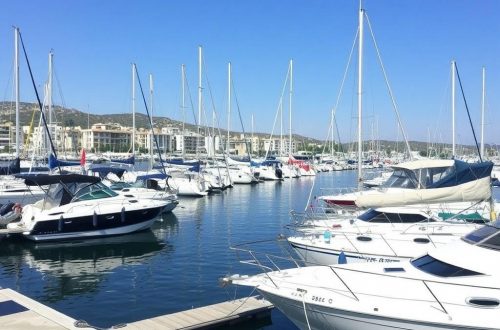
Major coastal hubs such as Paphos, Limassol, Larnaca, Ayia Napa, and Protaras each host specialized services and infrastructure. Paphos offers protected harbors and a mix of wreck and reef dives. Limassol is a commercial and yachting nexus with serviced marinas and strong event calendars. Larnaca is known for its family-friendly beaches and dive sites close to shore. Ayia Napa and Protaras concentrate on resort-scale Cyprus beach activities, with clear waters and shallow beds ideal for introductory diving and snorkeling. The distribution of facilities means operators—charter companies, dive centers, training schools—tend to cluster where natural conditions and demand converge.
Choosing the right coastal hub aligns environmental conditions with your chosen activity; geography dictates the technical profile of each hub.
For operational planning, consider harbor depth, berth availability, and distance to service providers. Yacht owners will prioritize marinas with adequate draft and maintenance facilities; divers look for sites with easy shore access or short tender runs to minimize surface interval disruption. On the island, proximity to medical facilities and coastguard stations is another layer of practical risk management that should inform hub selection.
Sailing Cyprus: Wind, Routes, and Technical Considerations
Sailing Cyprus is a pursuit of contrasts. The island lies in a transitional meteorological zone where Mediterranean synoptic systems and localized thermal winds interact. During the summer, thermal afternoon breezes from the land create reliable southerly or northwesterly onshore winds depending on local topography. In spring and autumn, frontal systems bring stronger westerlies and heavier seas. For technical route planning, sailors must factor wind windows, fetch, and local current patterns, particularly around capes and through narrow straits where wind accelerates and eddies form.
Single-day coastal hops between marinas are common, but successfully executing multi-day passages requires understanding provisioning, overnight berthing facilities, and harbor booking practices. Professional skippers and charterers should incorporate tide-like sea-level anomalies and swell direction into passage plans; although Cyprus has limited tidal range, wave-driven currents and swell refracted by headlands can create localized surges. Regattas and racing events in Limassol and other ports are run to international standards; participants should confirm Notice of Race details, safety boat cover, and rescue contingencies.
Efficient passage planning on Cyprus waters depends on blending synoptic weather knowledge with local wind phenomena and harbor logistics.
Popular sailing routes circle around protective bays and hop between serviceable marinas. Crews should maintain rigorous watchkeeping at night when lighthouses mark reefs and buoyage is the main navigation aid. Modern electronic navigation aids—AIS, chartplotters, and up-to-date ENC charts—are essential. For charter operations, verify that all safety equipment, including life-raft servicing dates, EPIRBs, and flares, complies with regulatory standards before departure.
- Primary sailing hubs: Limassol Marina, Larnaca Marina, Paphos Marina
- Recommended single-day legs: Larnaca to Limassol (coastal passage), Limassol to Paphos via Cape Aspro
- Key considerations: local wind forecasts, harbor depth, fuel availability, and rescue coverage
For crews aiming to undertake coastal cruising for the first time on the island, consider a day sail with a professional captain to learn local seamanship nuances—anchoring on rocky bottoms, entering meandering marinas, and negotiating ferry lanes. Advanced technical sailors exploring offshore routes will want to model expected sea states against crew fatigue and fuel reserves, especially when crossing from Cyprus toward the Levantine shelf.
Diving Cyprus: Sites, Marine Life, and Techniques
Diving Cyprus contains a rich diversity of technical and recreational opportunities. The island’s underwater topography includes shallow reefs, drop-offs, caves, and several prominent wrecks that attract technical divers and wreck specialists. Seasonal visibility often exceeds 20–30 meters in summer on the south and southeast coasts, while deeper nutrient upwelling zones around rocky promontories can reduce visibility but increase biodiversity. Bottom composition varies from sand flats to tufa-like rock outcrops, which in turn affects gear choices and buoyancy techniques.
Popular dive sites around Paphos and Ayia Napa include shipwrecks and artificial reefs that support schooling fish, octopus, and large invertebrate assemblages. Divers should plan dives with attention to surface intervals and boat turnaround times. For technical deep dives, staging and redundant gas planning are mandatory; local dive centers typically provide both recreational and technical support but confirm the availability of stage cylinders, deco gases, and recompression protocols before committing to a deep profile.
Successful dives require aligning site selection with objective hazards: depth, current, visibility, and decompression obligations.
Dive operators in Cyprus follow European recreational standards; many centers are affiliated with major certification agencies and maintain dive-master-led programs. Shore diving in sheltered bays is ideal for training and inexperienced divers, whereas boat dives reach the more compelling reefs and wrecks. Camera housings and strobes are common for documenting fauna, yet divers must respect no-take rules and avoid contact with fragile substrates to preserve reefs for scientific and recreational use.
Cyprus Beach Activities: From Family Fun to High-Adrenaline Sports
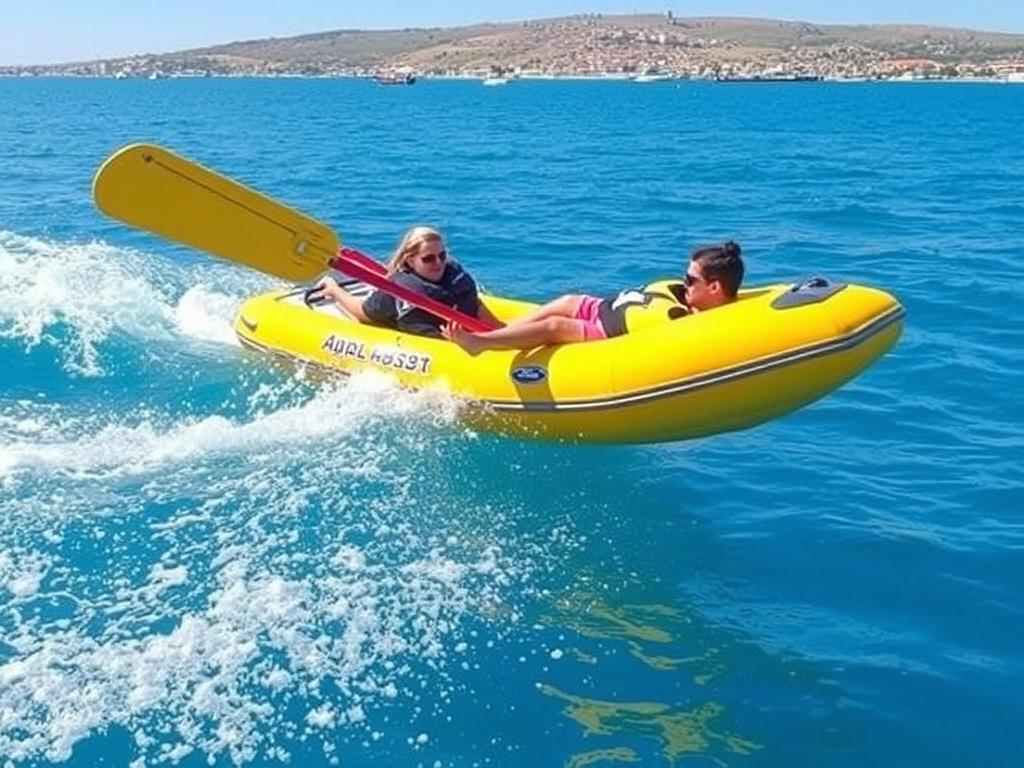
Cyprus beach activities span a continuum from passive recreation—sunbathing, beach volleyball, and shoreline picnicking—to adrenaline-heavy pursuits such as jet-skiing, kiteboarding, and parasailing. The physical characteristics of each beach determine what is feasible: broad sandy beaches with gentle gradients are safe for family use and for activities requiring shallow, long runouts; narrower rocky beaches with strong onshore winds create ideal corridors for kiteboarding and windsurfing.
Operators on popular resort strips maintain structured activity zones to separate swimmers from powered craft; however, smaller, informal beaches may lack such segregation, placing greater responsibility on participants to monitor vessel traffic and obey local signage. For families, lifeguard presence, water quality monitoring, and proximity to first-aid services are the primary safety metrics. For thrill-seekers, certification and operator compliance with management plans—for example, speed limits and exclusion zones—are essential.
Match the beach’s physical profile and safety infrastructure to your planned activity for a safe and satisfying experience.
Organized beach activity providers usually provide helmets, harnesses, and quick briefings; participants are expected to demonstrate basic swimming capability and follow operator instructions. Seasonal lifeguard coverage varies by municipality, so verify service availability before planning activities that depend on safety supervision. Accessibility is another factor: many beaches have ramps and chair systems, but remote coves often do not, shaping the choice for inclusive family outings or high-performance training sessions.
Safety, Regulations, and Certifications for Cyprus Water Sports
Safety governance for Cyprus water sports integrates national maritime law, municipal bylaws, and the standards promulgated by international training agencies. For powered craft and jet skis, licensing and registration are mandatory; operators must display proof of vessel inspection and liability insurance. Sailing and charter companies are subject to inspections verifying seaworthiness, firefighting equipment, and life-saving appliances. Diving operations require adherence to decompression procedure standards and emergency oxygen provisioning for on-site first response.
For participants, certifications such as RYA Day Skipper, PADI Open Water, or equivalent European certifications are recognized and often required by rental operators. Advanced or technical activities—such as offshore yacht deliveries, multi-day liveaboards, or rebreather diving—trigger stricter checks, including proof of logged experience, specialized certifications, and sometimes local endorsements. Understanding the paperwork and competency standards ahead of time reduces transactional friction and ensures compliance.
Regulatory compliance protects participants and operators; verify certifications and vessel documentation before any outing.
Emergency response coordination is centralized through the Cyprus Department of Merchant Shipping and municipal coastguard units. For incidents involving injury, rapid access to medical evacuation and recompression chambers (if necessary) should be confirmed in advance for technical dives. Recreational operators usually carry oxygen kits and have standardized emergency action plans; independent divers and sailors should also maintain personal emergency devices such as PLBs or EPIRBs.
| Activity | Typical Certification | Key Regulatory Requirement |
|---|---|---|
| Sailing (charter) | RYA/MCA or equivalent | Vessel registration and insurance; skipper competency check |
| Diving (recreational) | PADI/SSI Open Water | Operator adherence to dive tables and emergency oxygen |
| Jet-ski / powered craft | Local competency test | Licensing and vessel safety equipment |
Equipment, Rentals, and Local Service Providers
Choosing the right equipment and knowing where to rent or buy it are practical pillars of a successful coastal adventure. Marina-based chandleries in Limassol and Larnaca stock technical sailing gear, while dive centers around Paphos and Ayia Napa provide cylinders, regulators, wetsuits, and computer rental. For specialised or high-end items—rebreathers, carbon masts, or custom harnesses—coordinate with suppliers ahead of arrival to ensure availability and proper servicing.
Rental quality varies. Established centers keep comprehensive maintenance logs for vessels and dive equipment; they test lifejackets, recondition regulators, and service engines on scheduled cycles. Independent rentals from smaller operators may be cheaper but carry higher operational risk if maintenance and insurance are not transparent. When renting, request to view service records, insurance certificates, and operator emergency plans.
Well-maintained equipment and transparent provider practices materially reduce the likelihood of equipment-related incidents.
- Inspect rental vessels and dive gear visually before acceptance.
- Confirm operator insurance and damage deposit policies.
- Prefer providers with clear maintenance records and qualified staff.
For long-term visitors considering storage and logistics, several marinas offer wintering services, winter covers, and technical workshops. Dive clubs commonly maintain equipment lockers and coordinate group purchases for consumables and service parts, an efficient strategy for frequent divers. The equipment ecosystem on the island supports both casual users and professionals, but due diligence is necessary to match gear with intended activity profiles and environmental conditions.
Environmental Stewardship and Responsible Coastal Recreation Cyprus
The ecological carrying capacity of Cyprus coastal zones is finite; unmanaged use can degrade seagrass meadows, reef structures, and breeding grounds for marine fauna. Coastal recreation Cyprus must therefore be framed by stewardship principles: minimizing anchor damage, avoiding physical contact with corals and benthic habitats, and preventing pollution from fuel and plastics. Many operators incorporate briefings on local ecology into their customer orientation to reduce unintentional harm.
Protected areas and marine reserves have specific access rules; for example, some bays prohibit anchoring or limit visitor numbers to protect spawning aggregations. Divers and snorkelers should practice reef-safe buoyancy and maintain a no-touch policy. Sailors should use designated moorings where available to protect seabeds. Beyond individual actions, collective measures—such as community beach cleanups and operator-led monitoring—help maintain water quality and biodiversity over time.
Responsible recreation balances human enjoyment with the conservation of habitats that sustain those very activities.
Regulatory instruments, including municipal bylaws and national environmental legislation, can enforce protective behavior, but effective stewardship also relies on education and local engagement. Operators that promote low-impact practices tend to attract a clientele that values long-term access and ecological quality, creating a positive feedback loop that supports both biodiversity and business resilience.
Seasonal Planning, Weather Patterns, and Best Times to Visit
Understanding seasonal variability aligns expectations with operational realities. The high season (late spring through early autumn) brings calm seas, higher temperatures, and excellent visibility—optimal for Cyprus water sports that depend on consistent conditions. However, high-season demand also increases pressure on marinas, beach services, and popular dive sites. Off-season months present lower prices and clearer access to restricted coves, but they introduce cooler water temperatures, more unsettled weather, and occasional gale events from passing Mediterranean lows.
For performance-oriented activities—sprint regattas, offshore passages, or long-distance dives—choose transitional shoulder seasons when winds can be stronger and more predictable for advanced sailors, and when dive visibility is often highest after winter water turnovers. Training courses benefit from summer’s stable conditions when handling and skill acquisition under minimal environmental stress improves learning retention. Always consult multi-day marine forecasts and local briefings before finalizing plans.
Match your activity profile to seasonal windows: calm and warm for learning and family outings; transitional seasons for advanced performance and fewer crowds.
| Season | Typical Conditions | Best Activities |
|---|---|---|
| Late Spring (May–June) | Warming seas, steady thermals | Sailing, initial dive courses |
| High Summer (July–August) | Warm water, light to moderate thermals | Family beach activities, snorkeling |
| Autumn (September–October) | More variable winds, cooler nights | Regattas, technical diving |
| Winter (November–April) | Unsettled systems, stronger westerlies | Off-season training, sheltered diving |
Keep in mind that climate variability has increased the frequency of atypical weather patterns; plan with redundancy and flexible booking options for charters and instruction. Many operators offer weather-abstraction clauses in contracts that outline cancellation, postponement, and refund policies tied to specific thresholds of wind speed or wave height.
Logistics: Travel, Accommodation, and Local Culture Integration
Operational logistics define the user experience: time to transfer from international airports (Larnaca and Paphos), vehicle availability, luggage handling for gear, and proximity of accommodation to activity hubs. For heavy equipment or boats, arrange for port-side storage or marina berthing in advance; peak season occupancy can make walk-in arrangements difficult. Public transport connects major towns but is limited for targeted beach coves, so renting a vehicle is often more efficient for dispersed itineraries.
Where cultural integration matters—dining, festivals, or local crafts—plan shore time in towns known for maritime identity. Limassol and Paphos have strong cultural programming linked to their harbors, and participating in local events provides context for the island’s historical relationship with the sea. Respect local customs and municipal rules around noise, littering, and operating hours; harmonious interaction with host communities sustains long-term access to informal activity zones.
Practical logistics—transport, storage, and cultural respect—translate plans into successful coastal experiences.
Accommodations range from high-capacity resorts adjacent to main beaches to small guesthouses in fishing villages that offer direct access to quiet bays. For professionals or long-term visitors, serviced apartments near marinas reduce daily transit and support equipment storage. Always verify marina or hotel policies regarding storing fuel or batteries, and check customs rules if transporting specialized equipment internationally to avoid unexpected impoundments or taxes.
Training, Schools, and Skill Development for Active Visitors
Skill acquisition in Cyprus is supported by a network of reputable schools offering modular training from beginner to advanced levels. Sailing schools provide hands-on courses that emphasize coastal navigation, anchoring techniques on rocky bottoms, and night-sailing competence. Dive schools run PADI, SSI, and other certifying courses with a focus on buoyancy control, navigation, and safe ascent profiles. For power-driven sports, accredited instruction in collision avoidance and local rules is important for legal compliance and safety.
Many schools offer technically progressive pathways—skills clinics, specialty courses (wreck, deep, or nitrox diving), and performance coaching for wind-based pursuits. Professional development opportunities exist for those seeking instructor or commercial certifications; these pathways require a combination of logged experience, theoretical study, and practical assessment. Schools typically document skills and logbooks in English, facilitating recognition by international agencies and employers.
Structured training programs accelerate competency and provide recognized certifications that are essential for advanced or commercial activities.
- Beginners: shore-handling, basic rescue skills, and supervised guides
- Intermediate: navigation, passage-making, and multi-day trip planning
- Advanced: technical diving, instructor training, and commercial licensing
Prospective students should verify instructor credentials, class sizes, and the ratio of practical in-water time to classroom instruction. Practical evaluation and scenario-based drills—such as man-overboard recovery and emergency ascent procedures—are the most reliable indicators of a school’s commitment to safety and effective instruction.
Economic Impact and Community Benefits of Water Sports
Water sports form an economic engine for many coastal communities in Cyprus. They generate employment across a spectrum of roles: instructors, marina technicians, hospitality staff, equipment retailers, and boatbuilders. Seasonal demand creates peak opportunities but also necessitates sustainable planning to avoid boom-and-bust cycles that undermine year-round livelihoods. Investment in training and quality standards helps create a higher-value service offering that attracts discerning international clients and promotes repeat visitation.
Community benefits extend beyond income: operator-led conservation projects, youth training schemes, and collaborative safety networks enhance social capital. Local governments and NGOs sometimes co-fund infrastructure improvements that benefit residents and visitors alike—improved shoreline access, waste management systems, and cooperatively managed mooring fields reduce environmental strain while supporting business continuity. Private-public partnerships that emphasize transparency and accountability tend to deliver the best long-term outcomes for both ecosystems and economies.
When water sports are managed as integrated economic activities, they create resilient local benefits and incentivize environmental protection.
For planners and investors, the viability of new services depends on demand forecasting, regulatory compliance, and the capacity of communities to absorb change without losing cultural and environmental capital. Developers that engage local stakeholders early and commit resources to training and infrastructure produce more durable and community-aligned outcomes.
Chart Your Course: Next Steps for Your Cyprus Coastal Adventure
Now that you understand the physical, regulatory, and operational landscape of Cyprus water sports and coastal recreation, the next practical step is to match goals with a realistic plan. Begin by identifying your primary activity—Sailing Cyprus, Diving Cyprus, or Cyprus beach activities—and then narrow down hubs that provide the natural conditions, logistical support, and regulatory clarity needed for that pursuit. Use checklists to verify certification, equipment availability, and emergency access for proposed sites.
Create redundancy in bookings: reserve flexible charters and training slots, confirm equipment availability with providers, and secure marina berths or storage early for peak season travel. If you are planning multiple activities, sequence them to minimize equipment movement and surface-interval interruptions for divers. For professionals or frequent visitors, consider longer-term arrangements for dry storage, maintenance services, and local insurance solutions that protect assets and simplify operations.
Plan with specificity, confirm documentation and provider credibility, and design redundancy into your itinerary to maximize safe enjoyment.
Engage with local operators before arrival—request safety plans, maintenance logs, and references. If conservation and community engagement are priorities, select providers who demonstrate stewardship and support local initiatives. For first-time visitors, a guided introduction with a reputable operator is the fastest route to both confidence and competence. For frequent visitors or potential residents, deeper legal and logistical steps—such as exploring permanent berthing options or residency pathways—may be appropriate. The coastline of Cyprus offers a wide array of experiences; careful planning ensures that those experiences are safe, rewarding, and sustainable.
1. What documents and certifications do I need to rent a sailboat or charter a yacht in Cyprus? Answer: Most charter companies require government-issued photo ID, proof of competence (RYA, ICC, or equivalent), and a signed charter agreement; confirm with the operator whether local endorsements are needed for your certificate and check vessel insurance and security deposit requirements. 2. How do I choose the best hub for Diving Cyprus if I want clear visibility and varied dive sites? Answer: Choose hubs like Paphos or Ayia Napa for a mix of wrecks and reefs and typically high summer visibility; prioritize operators that provide boats to varied sites and confirm access to technical gases or decompression support if planning deeper profiles. 3. Are there seasonal restrictions for Cyprus beach activities or protected areas I should know about? Answer: Yes, some bays have seasonal restrictions or no-anchoring zones to protect breeding habitats; municipal bylaws may regulate watercraft speeds and swimming zones—check local signage and ask operators for up-to-date restrictions before planning activities. 4. What emergency and medical facilities are available for divers and sailors on the island? Answer: Major towns have hospitals with emergency departments; recompression chambers are regionally accessible—verify the nearest chamber relative to your dive site and ensure your operator has oxygen kits and an emergency plan. 5. Can I learn to sail or dive during a short visit, and what should I expect from training courses? Answer: Yes; introductory courses and confined-water training are designed for short visits, but full certification (e.g., PADI Open Water or RYA Coastal Skipper) requires multiple days and practical sea time—expect focused instruction with hands-on skills sessions and open-water assessments. 6. How should I handle equipment rental and maintenance for Cyprus water sports? Answer: Rent from established, accredited centers that provide recent service records and insured gear; for expensive or specialized equipment, coordinate pre-arrival shipping or local purchase and verify service and storage options at chosen marinas. 7. What are the best practices for minimizing environmental impact while enjoying coastal recreation Cyprus? Answer: Use existing moorings when available, avoid anchoring on seagrass, maintain no-touch policies for reefs and wildlife, dispose of waste responsibly, and follow operator briefings and local marine reserve rules to protect habitats and ensure long-term access.
Author

Petros Christofi
On any given morning you’ll catch me balancing a drone’s view of Cyprus rooftops with a spreadsheet of residency permits. I’m a migration solicitor who tackles visa rules like sudoku—every line must resolve neatly before sunset. After sealing a property deal, I pedal the Salt Lake trail to test if a buyer’s new commute feels right. My mission is simple: decode the island’s paperwork so you can start calling the mezé place “your local.”