Limassol Marina Properties: Premium Waterfront Living Guide
The Limassol Marina district has redefined Cyprus’s coastal living: a compact grid of promenades, berths, high-end retail and residential towers where the Mediterranean meets contemporary urban life. If you are researching real estate in this part of the island, start with an authoritative market directory such as real estate Limassol to compare current listings, developer reputations and transaction histories. This guide maps the practical, financial and lifestyle dimensions of Limassol Marina Properties so that buyers, investors and residents can make informed decisions.
How Limassol Marina Evolved: From Port to Prestige
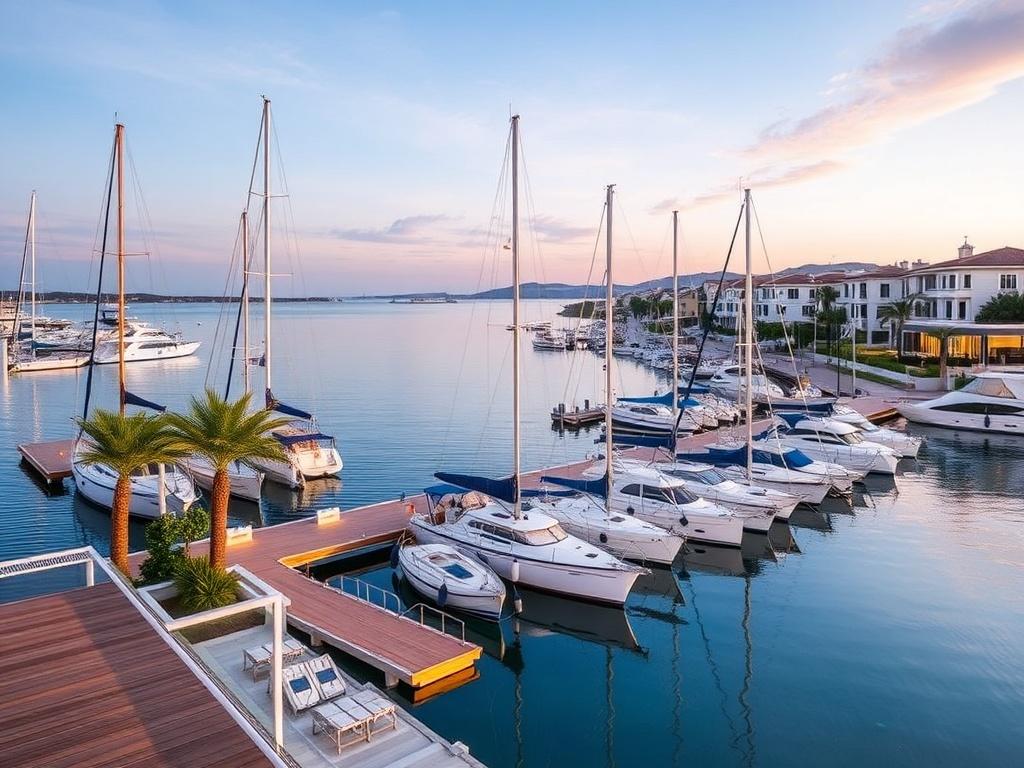
The story of Limassol’s transformation is a study in strategic urban regeneration. Historically a working port, the eastern waterfront gradually transitioned into a mixed-use development driven by international investment, visionary planning and the need to position Limassol as Cyprus’s cosmopolitan gateway. The marina itself became the focal point: a man-made harbor engineered to accommodate superyachts, flanked by restaurants, boutiques and residential schemes tailored to an affluent, internationally mobile demographic.
Developers leveraged waterfront access, views and touring demand to create premium housing stock. These holdings were not merely new buildings but acts of place-making—public promenades, landscaped plazas and marinaside amenities that raised the value profile for the entire district. That urban uplift remains a crucial element of why Limassol Waterfront Real Estate commands a pricing premium over inland properties.
Limassol’s waterfront evolution turned maritime infrastructure into a multi-layered urban asset that supports both living and leisure economies.
Market Profile: Who Buys Limassol Marina Properties and Why
The buyer mix in the marina area is distinctive. You will find high-net-worth individuals seeking second homes, expatriates relocating on employment packages, investors targeting short-term rental yields and local Cypriots upgrading to luxury living. A growing segment comprises buyers drawn by the connectivity: quick flights from Larnaca, proximity to regional business centers and the unique combination of Mediterranean climate with modern infrastructure.
Each buyer category shapes demand differently. Owner-occupiers value layout, finish and marina views, while investors evaluate occupancy trends, expected rental yields and legal compliance for short-stay letting. The attraction to Limassol yacht-focused lifestyles has also spurred interest in premium berths and adjacent homes that double as safe harbors for private vessels—a factor that elevates the desirability of Limassol Yacht Club Properties over comparable inland alternatives.
Buyers are drawn by a combination of lifestyle, capital appreciation and marina-specific amenities that are hard to replicate inland.
Types of Properties Around the Marina
The built offering is diverse and can be grouped into several categories that matter to buyers and investors: high-rise apartments with panoramic sea views, low-rise luxury complexes with private gardens, penthouses with roof terraces, townhouses oriented to pedestrian streets, and mixed-use buildings combining retail, office and residential units. Each type serves a different use-case and risk profile.
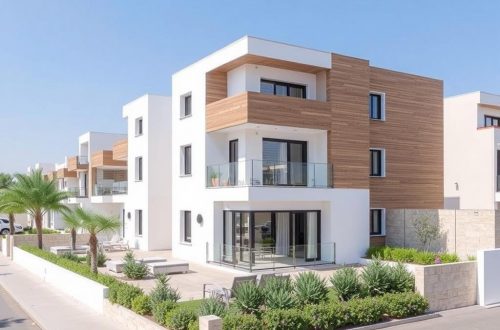
Marina Apartments Limassol are the most commonly traded asset class in the district. These range from compact one-bedroom units optimized for short-stay rentals to expansive multi-bedroom residences featuring private moorings, high-spec finishes and concierge services. The appeal of apartments is their operational simplicity for absentee owners—property management can handle check-ins, guest services and maintenance.
Key property types and their primary appeal
To understand quickly which product suits which purchaser, consider the following table that outlines typical choices and rationales.
| Property Type | Primary Appeal | Typical Buyer |
|---|---|---|
| Penthouses | Unobstructed views, privacy, premium pricing | Owners seeking status and capital preservation |
| High-rise Apartments | Panoramic vistas, facilities, good rental demand | Investors and professionals |
| Townhouses / Low-rise | Private outdoor space, family-friendly layout | Permanent residents and families |
| Mixed-use Units | Commercial frontage plus residential upside | Entrepreneurs and investors |
Understanding product types helps match purchase intent—rental, residence or hybrid—so acquisition aligns with goals.
Luxury Properties Limassol Marina: Features and Price Drivers
Luxury stock in the marina is defined by a set of repeatable quality markers: engineered berths, private concierge and security, landscaped podiums, high-end building materials and integrated smart-home systems. Developers push for distinctiveness through bespoke lobbies, signature restaurants and partnerships with yacht services. These differentiators are not merely cosmetic; they materially affect resale velocity and net rental yields.
Price drivers for Luxury Properties Limassol Marina include direct marina frontage, uninterrupted sea views, proximity to branded retail, and the availability of private berthing. Buildings with high owner-occupier concentration tend to show stable valuations because tightly held assets reduce supply volatility. Conversely, units in schemes with significant investor ownership can have higher turnover and periodic discounts.
- Primary price accelerants: direct sea view, private berth ownership, penthouse offering.
- Secondary accelerants: building prestige, on-site facilities, developer reputation.
Luxury features translate into durable value when they are functional (berths, security, facilities), not only decorative.
Living the Marina Lifestyle: Amenities, Services and Daily Flow
Living on the marina is experiential economy: daily life moves between breakfasts on the promenade, midday yacht services, shopping, socializing at bars and efficient commuting. Residents benefit from neighborhood services that reduce friction—package concierges, dedicated parking, 24/7 security and rapid access to marina support services. For families, proximity to international schools and green spaces is often factored into property choice.
Health and wellness offerings are well-developed. Many buildings incorporate gyms, spas and pools; the promenade itself functions as a fitness corridor for running and cycling. Culinary culture centers on a mix of upscale restaurants and quality local tavernas, creating a live-work-play loop that keeps residents engaged within walking distance and raises daytime footfall that supports rental demand.
The marina’s built-in amenities and services create a self-contained urban microcosm that’s attractive to both full-time residents and transient visitors.
Practical Checklist for Viewing Marina Apartments Limassol
When you arrange viewings, the evaluation must go beyond cosmetics. A checklist helps you assess long-term utility, compliance and hidden costs. Inspectors and agents should walk each property to validate what the brochure promises.
- Orientation and view lines—confirm actual view corridor and potential future obstructions.
- Acoustic performance—check for road, nightlife or marina activity noise at different times.
- Mechanical systems—evidence of recent maintenance on HVAC, elevators and pool systems.
- Berth rights—determine whether a berth is deeded, rentable or purely managed by the marina operator.
- Service charges—review current and projected strata fees and sinking fund balances.
An informed viewing focuses on operation and maintenance liabilities as much as aesthetics.
Legal and Regulatory Essentials for Buyers
Cyprus offers a transparent property legal framework, but buyers must navigate title verification, land registry checks and compliance with local planning. For non-EU nationals, certain acquisition conditions and development approvals can apply; legal counsel is essential to expedite title transfer and avoid encumbrances. The purchase process involves reservation, contract signing with deposit, due diligence, and completion with notarized transfer and registration at the Land Registry.
Key legal issues in the marina context include berth ownership modalities, shared amenity usage rights, and restrictions on commercial activity inside residential buildings. Buyers should insist on reviewing the building’s management rules and the memorandum and articles of association for the condominium where applicable. These documents clarify permitted uses, rental restrictions and voting rights for major capital works.
Legal diligence in waterfront deals must cover berthing rights and strata governance as core elements of title quality.
Taxation, Fees and the Cost of Ownership
Owning property in Cyprus carries several fiscal obligations. Stamp duty, transfer fees, VAT (where applicable on new developments), annual municipal taxes and income tax on rental revenue are the main categories. Non-resident owners should also be aware of capital gains tax and the specifics of tax treaties that affect double taxation. Planning accurate operating budgets requires forecasting both fixed annual charges (taxes and municipal fees) and variable ones (maintenance, utilities, insurance).
Service charges are particularly material for waterfront developments because of the intensive maintenance regimes—landscaping, facade cleaning, marina operation and security. A healthy sinking fund is a positive signal, indicating that past owners and developers have provisioned for future significant capital works such as pool replacement or facade remediation.
| Expense | Typical Range | Notes |
|---|---|---|
| Stamp Duty (purchase) | 0.15%–0.2% | Varies by value bands and exemptions |
| Annual municipal tax | Variable | Linked to property category and municipal rules |
| Service charges | Medium to high | Reflects marina operations and amenities |
Budgeting for ownership must include realistic service charge and capital reserve expectations for waterfront properties.
Financing Options and Mortgage Considerations
Mortgages are available in Cyprus from local and international banks, though lending criteria can be conservative for non-residents and for high-value properties. Lenders evaluate income stability, deposit size and the property’s resale liquidity. In the marina district, the loan-to-value ratio may be lower than for inland properties because lenders consider the niche market dynamics and resale timelines.
Interest rates and mortgage tenure depend on market conditions, borrower profile and whether the property is a primary residence or investment. Many buyers opt for partial cash payments to secure competitive financing terms, and some use structured approaches—bridging loans for short-term purchases or currency-hedged facilities if their income is in a different currency than the loan.
Secure financing early—pre-approval clarifies the realistic price range and strengthens negotiating leverage.
Investment Performance: Yield, Appreciation and Market Dynamics
Assessing investment prospects requires separating rental yield from capital appreciation. Marina apartments often show attractive short-term rental yields due to tourism and business travel, especially in summer months, but they can be seasonal. Long-term capital growth depends on broader Cypriot macroeconomic factors, the supply pipeline near the marina, and the evolving appeal of Mediterranean coastal living to international buyers.
Historical data reveal that waterfront assets tend to outperform in appreciation metrics because of structural scarcity: there is a finite quay length and constraints on new marina construction. That said, concentrated speculative activity can increase volatility. A disciplined investment approach considers diversification across unit types and contract lengths (short-stay versus long-stay) to smooth occupancy and cashflow risk.
Short-term rental income can be strong, but sustainable investment returns require a balance of yield and long-term capital appreciation assumptions.
Operational Realities: Property Management and Rental Strategies
Efficient property management is the backbone of successful ownership, particularly for absentee investors. Professional managers handle tenant screening, legal compliance for short-stay rentals, cleaning, maintenance and guest services. For Marina Apartments Limassol, integrated management that coordinates with marina services (berth provisioning, waste disposal, security) reduces friction and improves guest experiences—which in turn sustains occupancy and pricing power.
Owners must decide whether to target holiday rentals, corporate clients, or long-term leases. Each strategy carries operational trade-offs: holiday letting yields higher nightly rates but incurs marketing, turnover and regulatory compliance; long-term leasing reduces marketing and vacancy risk but usually sacrifices peak-season revenue upside. Hybrid strategies, where an owner combines both models seasonally, require careful calendar management and flexible tenancy terms.
Property managers who specialize in marina-adjacent assets deliver more value because they understand marine logistics and seasonal demand cycles.
Design and Architecture: What Distinguished Developments Offer
Design in the marina context marries maritime themes with Mediterranean architectural language—sunlit terraces, glass facades for sea views, materials that resist salt corrosion and interiors optimized for cross-ventilation. Notable developments emphasize indoor-outdoor integration: extended terraces, fold-away glazing and rooftop amenities that maximize sea-facing exposure. Architects also plan for circulation patterns that separate delivery and service traffic from pedestrian promenades to preserve the waterfront experience.
Environmental design principles are increasingly prevalent: energy-efficient glazing, solar panels for common areas, grey-water recycling for landscaping and native species that reduce irrigation needs. These technical strategies lower operating costs and align developments with rising environmental expectations of affluent buyers, particularly those from Northern Europe who weigh sustainability as part of purchase criteria.
Durable materials and climate-responsive design reduce long-term maintenance costs and appeal to sustainability-conscious buyers.
Comparative Dynamics: Limassol Waterfront Real Estate vs. Inland Alternatives
Comparing waterfront and inland properties is instructive. Waterfront holdings command premiums for view and direct access, but inland assets may offer larger floorplates, lower service charges and more stable daytime demographics. Investors must weigh the lake-of-demand effect: waterfront assets have concentrated demand but can be more sensitive to market sentiment and tourism cycles.
Liquidity tends to favor waterfront units in established marinas because of clear desirability, but this can flip in downturns when premium pricing compresses buyer pools. Inland alternatives may provide steadier occupancy and lower volatility in rental income. The optimal choice depends on investor risk profile, timeline and tolerance for seasonal fluctuation.
Waterfront premium equals lifestyle and liquidity advantages, balanced against higher volatility and greater running costs.
Negotiation Tactics and Closing: Getting the Best Deal
Successful negotiation hinges on market intelligence. Check comparable sales, confirm service charge trends and scrutinize the building’s reserve funds. Tactics that work include offering a well-structured contract with a reasonable deposit, timing the offer to market slowdowns, and leveraging due diligence findings to negotiate price or seller concessions for repairs and warranties.
Because many marina properties are sold off-plan, buyers often negotiate improved finishes, parking allocations, or a secured berth as part of the package. For resale units, the seller’s urgency, length of time on market and recent similar transaction prices all influence negotiating room. Engage a local legal adviser to frame contingencies for title transfer, defect warranties and completion dates.
Data-driven offers and clear conditionality on title and service charges give buyers leverage in marina transactions.
Trends and the Future: What Will Shape Limassol Yacht Club Properties Next
Emerging trends set the trajectory for Limassol Yacht Club Properties. Expect continued demand for mixed-use projects that blend residential comforts with branded retail and hospitality. International mobility and digital work norms favor properties that provide flexible living arrangements—workspaces, high-speed connectivity and private zones for extended remote work. The rise of experiential travel also drives cross-selling opportunities between short-stay hospitality services and owner benefits.
Climate resilience and marina engineering will be central to new developments. Sea-level considerations, stormwater management and resilient coastal infrastructure are becoming prerequisites for insurability and lender confidence. Developments that can demonstrate robust long-term resilience and integrated marina operations will command a competitive edge in valuations.
Resilient infrastructure and experiential, flexible living models will define premium marina property competitiveness in the coming decade.
Practical Roadmap for First-Time Buyers
For a first-time buyer attracted to the marina’s appeal, a structured roadmap reduces surprises. Start with a clear budget that incorporates purchase price, taxes, service charges and a contingency for unforeseen maintenance. Secure mortgage pre-approval if financing. Vet developer reputations, check title and enforcement of building covenants, and insist on an independent condition survey for resale units. Plan for a 12–18 month timeline from search to full operational readiness if you intend to rent the unit out.
Partner selection is crucial: an experienced local agent, a maritime-aware property manager and a lawyer with property and maritime expertise can smooth the process. For buyers intending to use a berth, clarify operational arrangements with marina operators and any berth transfer mechanics before you sign.
Start with financial clarity, legal counsel, and a marina-savvy management team to reduce transaction and operational risk.
Case Study: A Typical Purchase Pathway for a Luxury Properties Limassol Marina Unit
Consider a hypothetical case where an investor selects a three-bedroom penthouse with a deeded berth. The investor begins with desktop research, then visits with an agent and obtains a condition survey and berthing documentation. Legal checks reveal a well-funded sinking fund and no outstanding litigation. The purchaser negotiates a 5% reduction in price to cover minor remediation and secures a mortgage for 60% LTV. At closing, the buyer establishes a management contract for holiday rentals and registers the berth with the marina operator. Year one involves fit-out costs and marketing; by year two, occupancy stabilizes at a level that supports the service charge and debt service comfortably.
This scenario highlights the orchestration required across disciplines: financial structuring, legal vetting, management contracting and targeted marketing. Each step affects yield and long-term value.
Coordinated execution across legal, financial and operational domains converts purchase potential into sustained performance.
Summary of Practical Recommendations
To condense the guidance into actionable steps: clarify objectives (residence, rental, appreciation), align budget to realistic service and capital costs, perform rigorous legal and technical due diligence, secure suitable financing early, and select specialists with marina experience for management and legal work. Apply a conservative financial model for rental yield and assume seasonality in occupancy. Finally, ensure berthing rights and marina governance are unequivocally described in the title or lease documents.
- Define your investment or residence goal before property selection.
- Inspect operational documents: service charge history, sinking fund, and marina management contracts.
- Factor in marine-specific maintenance and insurance costs.
- Use staged payments and conditional contracts to protect your position.
Clear objectives and conservative financial planning are the most reliable shields against disappointment in waterfront investments.
Your Next Step: Navigating the Offer to Move-In Phase
After you have selected a property and negotiated terms, the final phase brings practical decisions: selecting a reliable property manager, outlining a furnishing and maintenance plan, and formalizing berth insurance and marina service arrangements. Coordinate move-in timing to minimize void periods for rentals and to ensure contractors have access for any remedial or aesthetic work. For owners planning short-stay lets, set up a streamlined guest communication system, professional cleaning rota and local emergency contacts.
Completing the move-in checklist on time improves guest satisfaction and accelerates the property’s path to positive cashflow. Document key contractual relationships—management, marina service, utilities—and store them centrally for rapid access during operational escalations.
Operational readiness at move-in accelerates revenue generation and reduces management headaches.
Living the Dream: How to Make Limassol Marina Properties Truly Yours
Owning in the marina is more than a balance sheet decision; it is a commitment to a particular lifestyle. To make your property genuinely liveable and valuable, combine functional upgrades with personal touches: high-performance shutters for summer heat, smart home systems for remote control of utilities, and curated outdoor furniture to make terraces usable year-round. Consider membership in local clubs or sponsorship of community events to integrate socially and protect your asset’s desirability through active stewardship.
Finally, view the property as a living asset that benefits from continual improvement. Small, high-quality upgrades often produce outsized returns in rental markets and resale. Whether you are attracted to the social energy of Limassol Yacht Club Properties or the privacy of an elevated penthouse, thoughtful stewardship amplifies both personal satisfaction and financial performance.
Thoughtful, functional personalization ensures long-term enjoyment and positive market perception of your marina home.
Frequently Asked Questions
- How do I confirm berth ownership when buying a marina property?
Check the title documents and the marina’s registry: berth ownership should be deeded and recorded, or the berth may be leased—verify duration and transferability before purchase.
- Are service charges higher for Limassol Marina Properties than inland properties?
Yes, typically higher, because marina operations, waterfront maintenance and enhanced security increase ongoing costs; review historical charge statements to forecast expenses.
- Can non-residents buy property near the Limassol marina?
Non-residents can purchase in Cyprus, but certain approvals or conditions may apply—engage local legal counsel to navigate regulatory requirements and registration procedures.
- What rental strategy works best for Marina Apartments Limassol?
Seasonal short-stay rentals often yield higher income, but a hybrid model balancing long- and short-term lets reduces vacancy risk; choose based on local demand patterns and management capacity.
- How important is developer reputation for luxury units in the marina?
Developer reputation matters significantly for build quality, delivery timeliness and post-sale support: it influences resale confidence and long-term service levels.
- What environmental considerations should I check for waterfront properties?
Review flood risk assessments, stormwater management plans, building materials resistant to salt corrosion and any sea-level resilience measures implemented by the development.
- How do Limassol Yacht Club Properties differ from other marina-area properties?
They typically offer stronger integration with yacht services, enhanced marina governance and direct access to club facilities, which can raise attractiveness for boat owners and premium tenants.
Author

Petros Christofi
On any given morning you’ll catch me balancing a drone’s view of Cyprus rooftops with a spreadsheet of residency permits. I’m a migration solicitor who tackles visa rules like sudoku—every line must resolve neatly before sunset. After sealing a property deal, I pedal the Salt Lake trail to test if a buyer’s new commute feels right. My mission is simple: decode the island’s paperwork so you can start calling the mezé place “your local.”