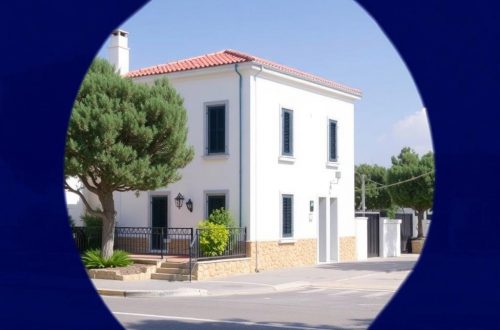
Decoding Energy Ratings When Shopping for a Cyprus Home
When purchasing a home in Cyprus, understanding energy ratings is more than just a technical detail—it is a crucial factor that influences long-term costs, environmental impact, and overall comfort. Energy ratings provide a standardized method of measuring how energy efficient a property is, affecting everything from heating and cooling expenses to the home’s impact on the environment. For buyers keen on making informed, sustainable choices, decoding these ratings becomes essential.
This article delves deep into energy efficiency certificate Cyprus requirements, explores how EPC ratings affect Cyprus property values, explains the characteristics of a low energy house Cyprus buyers should look for, and highlights practical strategies to save on utilities Cyprus residents can adopt. Whether you’re a first-time buyer or a seasoned investor, understanding energy ratings will empower you to make smarter decisions that benefit both your wallet and the planet.
Understanding the Energy Efficiency Certificate in Cyprus
The energy efficiency certificate Cyprus is a mandatory document that provides a clear and official overview of a property’s energy consumption and performance. Introduced as part of the European Union’s directive to reduce carbon emissions, every property sold or rented in Cyprus must have this certificate. It ranks homes according to their energy performance from A to G, with A representing the highest efficiency.
This certificate reflects the home’s insulation quality, heating and cooling systems, lighting, and other energy usage factors. The process to obtain the energy efficiency certificate Cyprus involves an assessment by accredited professionals who inspect the property and analyze its energy systems. This process ensures transparency and provides potential buyers with crucial insights before committing to a purchase.
The energy efficiency certificate Cyprus is your blueprint for understanding a home’s true energy performance and future cost implications.
More than just a rating, this certificate influences the marketability and value of homes in Cyprus. Properties with a higher EPC rating Cyprus property tend to sell faster and at better prices, as buyers increasingly prioritize sustainability and cost-effectiveness. Conversely, properties with lower ratings highlight areas needing improvement, which sellers or buyers might address through renovations.
What the EPC Rating Means for Cyprus Property Buyers
The EPC rating Cyprus property assigns is not merely a letter grade—it encapsulates a home’s overall ability to conserve energy and reduce utility costs. The classification ranges from:
- A and B: Exceptional energy efficiency with minimal heat loss and advanced heating and cooling systems.
- C and D: Average energy performance, often requiring upgrades for long-term cost savings.
- E, F, G: Poor energy efficiency, indicating potential for high energy bills and significant improvements needed.
For buyers invested in a green home buying Cyprus trend, the EPC rating is a crucial factor. Homes with higher EPC ratings typically feature better insulation, double-glazed windows, efficient HVAC systems, and energy-smart appliances. These components contribute to reducing overall consumption, minimizing environmental impact, and improving indoor comfort.
High EPC ratings in Cyprus translate directly into lower energy bills and a smaller carbon footprint.
Understanding the EPC rating impacts buyers beyond environmental concerns. Lower energy consumption means reduced energy bills, which is a critical consideration given Cyprus’ climate and rising energy costs. Buyers are increasingly aware that investing upfront in a better-rated property can lead to significant savings in utilities over the years. Additionally, improved energy ratings can increase resale value, making these properties a wise financial investment over time.
The Characteristics of a Low Energy House Cyprus Buyers Should Know
Low energy house Cyprus design principles focus on minimizing energy demand through architectural and technological solutions. The goal is to create comfortable living spaces with minimal reliance on external energy sources, such as electricity or gas. Typical features of a low energy house in Cyprus include high-quality insulation, energy-efficient windows, passive solar design, and renewable energy integration.
Insulation is one of the most critical elements. Given the island’s hot summers and mild winters, proper insulation helps maintain stable indoor temperatures, reducing the need for constant air conditioning or heating. Walls, roofs, and floors are built or upgraded with materials that limit heat exchange.
Windows in a low energy house often employ double or triple glazing combined with shading devices to block direct sunlight during peak hours while allowing natural light. This balances thermal comfort and daylight use.
A low energy house Cyprus residents can enjoy balances smart design, renewable technology, and comfort without compromising on style or function.
Integrating renewable energy sources, such as solar thermal panels or photovoltaic arrays, is also common in low energy homes across Cyprus. These systems generate clean energy on-site, further reducing the dependency on grid electricity and lowering carbon emissions. Heating and cooling systems in such houses tend to be highly efficient as well, often incorporating heat pumps or energy recovery ventilators.
How to Save on Utilities Cyprus Residents Should Consider
Energy ratings have a direct impact on monthly utility bills, which is why understanding how to save on utilities Cyprus homeowners is crucial. Investing in an energy-efficient property or making targeted improvements can yield substantial savings over the years.
Some of the most effective strategies to reduce energy consumption at home include:
- Upgrading insulation to reduce heat loss and gain.
- Installing energy-efficient windows and shading devices.
- Using smart thermostats and programmable heating/cooling systems.
- Incorporating energy-saving appliances and LED lighting.
- Utilizing renewable energy installations like solar PV panels.
- Regularly maintaining heating, ventilation, and air conditioning systems.
Additionally, educating residents on daily habits—such as turning off lights when not in use and optimizing appliance use—can have a measurable impact on reducing energy waste.
Saving on utilities Cyprus is not just about technology; it’s about smart lifestyle choices and strategic home improvements.
In the context of Cyprus’ climate and energy prices, even small changes in energy consumption can translate into meaningful financial savings. Utilities form a significant portion of household expenses, and energy-efficient homes dramatically reduce this burden. Some properties also qualify for government incentives that support energy improvements, making the transition towards greater efficiency more affordable and attractive.
Decoding the Financial Implications of Energy Ratings in Cyprus Real Estate
Understanding the financial nuances associated with the energy efficiency certificate Cyprus offers is key to making a smart investment. Properties with better EPC ratings generally command higher market prices, but the initial premium often pays off over time with lower utility costs. Real estate analysts in Cyprus note a trend where energy-efficient homes are increasingly sought after, especially by environmentally conscious buyers and those looking to reduce long-term expenses.
Investors and homeowners should be aware of the following financial implications:
| Category | Impact on Buyer | Long-Term Benefit |
|---|---|---|
| High EPC Rating (A-B) | Higher upfront purchase price | Lower monthly utility bills; better resale value |
| Mid EPC Rating (C-D) | Moderate price; potential upgrade costs | Improved comfort and savings after retrofits |
| Low EPC Rating (E-G) | Lower purchase price; high renovation costs | Possible high bills and discomfort without upgrades |
Additionally, banks and mortgage lenders in Cyprus sometimes recognize energy ratings during the loan approval process. Properties with high EPC ratings may qualify for better loan terms or incentives, reflecting their reduced financial risk. Conversely, properties with low ratings might face challenges securing financing or require energy-efficient upgrades as a condition.
Energy ratings in Cyprus real estate influence more than utility costs—they affect purchase price, loan options, and investment returns.
Government Regulations and Incentives Supporting Energy Efficiency in Cyprus
The Cyprus government has implemented a range of policies aimed at promoting sustainable building practices and encouraging energy efficiency. These initiatives target both new constructions and existing properties, helping stimulate demand for certified energy-efficient homes.
Key regulatory frameworks require that all newly built properties achieve minimum EPC ratings and comply with strict insulation and energy use standards. For existing homes, renovations that improve energy performance are incentivized through grants, tax relief, and subsidies.
Buyers and homeowners looking to invest in a green home buying Cyprus market can benefit from these incentives, which enhance affordability and promote long-term sustainability. Such programs typically cover:
- Installation of solar hot water systems.
- Upgrading insulation and windows.
- Purchasing energy-efficient heating and cooling equipment.
- Implementing renewable energy solutions like photovoltaic systems.
These measures not only improve the EPC rating Cyprus property but also contribute toward Cyprus’s broader environmental goals. Participating homeowners gain immediate financial relief and increase the market attractiveness of their properties.
Government incentives in Cyprus make adopting energy-efficient upgrades more accessible and financially rewarding.
Tips for Buyers: How to Evaluate Energy Ratings When Viewing Properties in Cyprus
For those navigating the Cyprus property market, effectively evaluating energy ratings involves more than glancing at a certificate. A comprehensive assessment requires understanding what the ratings imply, inspecting the home’s physical attributes, and considering potential improvements.
When visiting properties, buyers should pay attention to:
- Type and condition of insulation in walls, roof, and floors.
- The age and efficiency of heating and cooling systems.
- Window quality, including glazing and sealing.
- Presence of energy-smart devices and appliances.
- Use of shading to reduce summer heat gain.
- On-site renewable energy technologies.
It’s advisable to consult with an energy assessor or building specialist who can interpret the EPC certificate in detail and provide guidance on potential expenditures for improvements.
Understanding a property’s energy rating is a vital step—not just for current comfort, but for future investments and savings.
Effective due diligence, backed by professional advice, ensures that buyers do not overlook hidden costs related to poor energy efficiency. Given that Cyprus’ climate places distinct demands on homes, choosing properties with solid energy performance attributes supports both comfort and sustainability goals.
Embracing Sustainable Living: The Future of Energy Ratings in Cyprus Housing
The demand for low energy house Cyprus concepts is expanding, driven by growing environmental awareness and shifting economics. Future regulations are likely to become more stringent, and technologies more advanced, making energy efficiency a baseline requirement rather than optional.
Developers in Cyprus are increasingly incorporating energy-efficient designs in new developments, and existing homeowners are incentivized to pursue upgrades. Modern smart home systems that optimize energy consumption are gradually becoming standard features.
Looking ahead, energy ratings will serve not only as tools for assessment but as integral components of home automation, linking comfort with sustainability seamlessly. For buyers, staying informed about these advancements allows long-term planning for properties that stand the test of time.
The future of home buying in Cyprus is green, efficient, and technologically integrated—energy ratings are the gateway to this evolution.
Savvy buyers are embracing this shift, ensuring their investments align with global trends toward carbon neutrality and resource efficiency. Ultimately, decoding energy ratings when shopping for a Cyprus home is about securing comfort, financial stability, and environmental responsibility in tandem.
Unlocking the Full Potential of Your Cyprus Home Through Energy Ratings
The widespread adoption of energy ratings in Cyprus marks a transformative period for homeowners and buyers alike. These ratings serve as a clear metric for assessing value, sustainability, and long-term affordability. Navigating the energy efficiency certificate Cyprus landscape requires knowledge, attention, and strategic thinking.
As the Cyprus property market evolves toward greener standards, understanding the implications of an EPC rating Cyprus property will become a competitive advantage rather than a mere regulatory necessity. Buyers seeking a low energy house Cyprus options discover that the benefits extend well beyond immediate savings, enhancing quality of life and property value simultaneously.
Moreover, practical efforts to save on utilities Cyprus residents implement show that small but consistent changes can compound into substantial results, marrying economic benefits with better environmental stewardship.
In sum, energy ratings are more than labels—they are powerful tools that empower buyers to make informed, responsible, and forward-thinking choices in Cyprus’ dynamic real estate market.
Maximize your investment and comfort by decoding energy ratings—the key to sustainable, cost-effective living in Cyprus.
Frequently Asked Questions
- What is an energy efficiency certificate Cyprus, and why is it required?
The energy efficiency certificate Cyprus assesses a property’s energy consumption and efficiency, legally required for all property transactions to promote transparency and sustainability. - How does the EPC rating Cyprus property affect my utility bills?
Higher EPC ratings indicate better energy efficiency, leading to lower utility bills by reducing the amount of energy needed for heating, cooling, and electricity. - What are the main features of a low energy house Cyprus?
Key features include superior insulation, energy-efficient windows, passive solar design, and renewable energy installations such as solar panels. - Are there government incentives for energy efficiency upgrades in Cyprus?
Yes, the Cyprus government offers grants, subsidies, and tax incentives for installing solar systems, improving insulation, and upgrading HVAC equipment. - Can a low EPC rating Cyprus property be improved easily?
While some improvements require investment, upgrades such as insulation, window replacement, and installing energy-efficient appliances can significantly improve the rating. - Will energy ratings affect my property’s resale value in Cyprus?
Yes, properties with higher energy ratings generally have better resale value due to their lower operating costs and environmental appeal. - How can I assess a property’s energy performance beyond the certificate?
Engage a professional energy assessor to inspect building fabric, heating systems, and other factors influencing efficiency for a comprehensive evaluation.
Author

Petros Christofi
On any given morning you’ll catch me balancing a drone’s view of Cyprus rooftops with a spreadsheet of residency permits. I’m a migration solicitor who tackles visa rules like sudoku—every line must resolve neatly before sunset. After sealing a property deal, I pedal the Salt Lake trail to test if a buyer’s new commute feels right. My mission is simple: decode the island’s paperwork so you can start calling the mezé place “your local.”