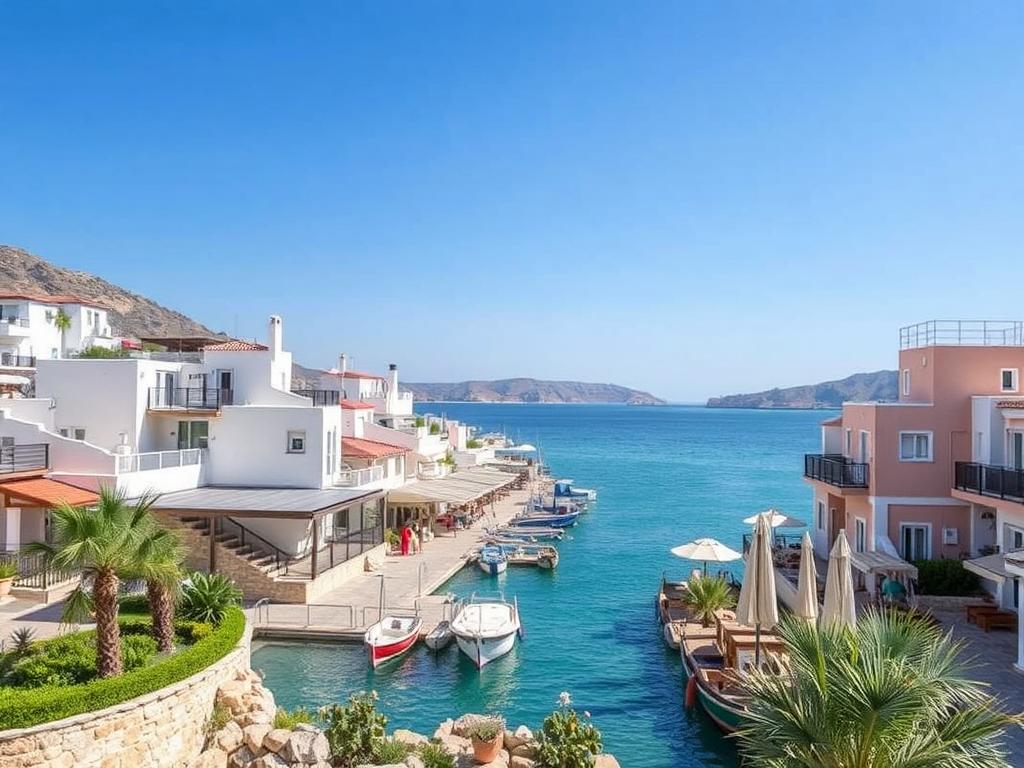
Short-Term Rental Arbitrage in Cyprus Tourist Hotspots
The Mediterranean island of Cyprus has increasingly attracted international attention not only as a favored travel destination but also as a lucrative opportunity for property investors. Among the unique investment approaches gaining traction is the short-term rental arbitrage model. Particularly in the high-demand tourist hotspots scattered across the island, savvy entrepreneurs are leveraging this strategy to maximize holiday let income Cyprus and tap into the booming short term rental Cyprus market. This article delves deeply into the mechanisms, practicalities, risks, and rewards of short-term rental arbitrage in Cyprus while providing a comprehensive overview for prospective investors interested in Airbnb investment Cyprus and rental arbitrage strategy Cyprus.
Understanding Short-Term Rental Arbitrage in Cyprus
Short-term rental arbitrage involves leasing a property long-term from a landlord and subsequently renting it out through short-term rental platforms like Airbnb, Vrbo, or Booking.com. The fundamental goal is to generate higher rental income from short-term guests compared to the fixed lease payments made to the property owner. In Cyprus, this practice is particularly attractive given the steady influx of tourists and the high demand for flexible tourist accommodation.
Unlike purchasing real estate, this strategy requires minimal upfront capital, lowering the financial barrier for investors entering the competitive Cyprus rental market. Yet, it demands robust operational management, thorough knowledge of local regulations, and an understanding of the tourism patterns unique to Cyprus to be profitable.
Short-term rental arbitrage transforms leased spaces into high-yield tourist accommodations, unlocking revenue potential without property ownership.
Why Cyprus Is an Ideal Location for Rental Arbitrage
Cyprus’s strategic location in the eastern Mediterranean and its well-developed tourism infrastructure make it a hotspot for seasonal and year-round visitors. Cities like Ayia Napa, Paphos, Limassol, and Larnaca enjoy consistent tourist traffic, facilitating strong demand for short term rental Cyprus properties.
Tourism in Cyprus peaks during the summer months, supported by cultural festivals, winery tours, archaeological sites, and pristine beaches, generating continual demand for vacation rentals. In addition, the government supports tourism through investments and promotional campaigns, further enhancing the island’s draw as a holiday destination.
This consistent demand creates ideal conditions for rental arbitrage strategy Cyprus, where short-term renting outpaces traditional long-term rental yields. Investors who understand the local market nuances can capitalize on this cyclical demand structure for enhanced holiday let income Cyprus.
Key Tourist Hotspots for Short-Term Rental Arbitrage in Cyprus
The geographical diversity of Cyprus provides various environments suited to different tourism styles, offering opportunities for investors based on their preferred targeting strategy within the short term rental Cyprus framework. The main hotspots each possess unique characteristics that influence rental demand and income potential.
Ayia Napa
Ayia Napa is renowned for its vibrant nightlife, sandy beaches, and youth-oriented tourism. This town attracts a predominantly younger demographic seeking dynamic entertainment, which creates a strong market for short-term stays. Properties here often command premium nightly rates, especially during the summer season. However, there is increased competition and stringent local regulations aimed at controlling noise and visitor numbers.
Paphos
Paphos offers a blend of history, cultural experiences, and family-friendly resorts, attracting diverse tourist profiles year-round. It benefits from international airport access and a well-established hospitality industry. The short-term rental market here is more balanced, providing consistent holiday let income Cyprus without heavily skewed seasonal fluctuations.
Limassol
As Cyprus’s commercial hub with luxury marinas and a cosmopolitan vibe, Limassol hosts affluent visitors interested in upscale accommodation. The rental arbitrage strategy Cyprus here involves investing in higher-end properties with superior amenities. This can command higher rates but also requires larger upfront management costs and fitting properties accordingly.
Larnaca
Larnaca appeals to budget-conscious travelers and families, offering historical sites and beaches. Rental demand fluctuates moderately but remains reliable. This makes it an excellent location for arbitrage investors targeting steady, mid-level returns through consistent occupancy throughout much of the year.
The diverse tourist hotspots of Cyprus create a rich canvas for short-term rental arbitrage, accommodating varied investment profiles and market niches.
Legal and Regulatory Considerations in Cyprus
The success of any Airbnb investment Cyprus depends heavily on navigating local laws governing tourist accommodation profits Cyprus. Regulations around short-term rentals in Cyprus are evolving, reflecting the government’s efforts to balance economic benefits with community welfare and environmental sustainability.
Property owners and rental arbitrage operators must register their properties with the Cyprus Department of Tourism, obtain a license, and comply with safety and tax regulations. Non-compliance may lead to heavy fines or business interruptions, emphasizing the importance of proper due diligence.
Registration and Licensing Requirements
Every short-term rental property is required to be registered and meet specific quality criteria. Details such as fire safety equipment, clearly defined emergency exits, and sanitation standards are mandatory. It is crucial that those engaging in rental arbitrage strategy Cyprus confirm these requirements with property owners since failing to maintain compliance could jeopardize rental operations.
Taxation on Holiday Let Income Cyprus
Revenue generated from short term rental Cyprus activities is subject to taxation. Investors must report earnings through the appropriate tax channels, including income tax on profits and VAT if applicable depending on revenue thresholds. Working with tax professionals familiar with Cyprus tourism laws is advisable to ensure all financial obligations are met accurately and timely.
Additionally, local municipalities may impose tourist taxes, affecting the net profits and pricing strategy for short-term rentals. An understanding of these tax regimes allows for precise forecasting of tourist accommodation profits Cyprus.
Landlord and Lease Agreement Restrictions
Since rental arbitrage typically involves leasing rather than ownership, the terms of lease agreements are critical. Many Cyprus landlords are unfamiliar or wary of short-term rental models, so transparent communication and contractual clarity are essential. Explicit permission for subletting and short-term use must be clearly defined to prevent legal disputes and financial losses.
Demystifying Cyprus’s evolving short-term rental regulations is key to securing compliance and safeguarding business continuity.
Implementing a Successful Rental Arbitrage Strategy Cyprus
Transitioning from traditional leasing to short-term rental arbitrage requires a deliberate and strategic approach. A strong operational framework is fundamental to achieving sustainable holiday let income Cyprus. Here are the essential steps and considerations for implementation.
Property Selection and Market Research
Successful Airbnb investment Cyprus begins with choosing the right property in a location aligned with demand profiles. Comprehensive research on occupancy rates, average daily rates, and competitor offerings is critical. Selecting a property near key amenities, tourist sites, or transport hubs enhances attractiveness and boosts booking potential.
Negotiating Lease Agreements
Lease negotiations must explicitly include consent for short-term subletting and behavioral covenants that reflect the requirements of short term rental Cyprus activities. Building trust with landlords by demonstrating knowledge of the market and legal framework can smooth the negotiation process and reduce restrictions.
Property Furnishing and Guest Experience
The success of rental arbitrage hinges on creating an attractive guest environment. Properties must be fully furnished with durable yet appealing furniture, equipped with modern amenities such as Wi-Fi, air conditioning, and quality kitchen appliances. Amenities tailored to tourist preferences, including beach gear, local guidebooks, and efficient check-in systems, can drive positive reviews and repeat bookings.
Pricing Optimization and Dynamic Management
Dynamic pricing tools that adjust nightly rates based on demand, seasonality, and events maximize revenue. Investors employing rental arbitrage strategy Cyprus should monitor market trends closely to remain competitive without sacrificing profitability.
Operational Management and Marketing
Efficient operations include timely cleaning services, guest communication, and maintenance. Many short-term rental operators employ property management services specializing in tourist accommodation profits Cyprus, which handle day-to-day logistics and optimize guest turnover.
Marketing efforts should extend beyond Airbnb to other platforms and social media, leveraging professional photography and positive guest testimonials. Local SEO geared towards tourist searches can also increase visibility during peak tourist seasons.
Meticulous preparation and responsive management elevate rental arbitrage properties from basic stays to top-choice tourist accommodations.
Financial Analysis: Opportunities and Risks
Rental arbitrage strategy Cyprus promises compelling returns, but it is not without financial risks and operational challenges. Detailed financial modeling is imperative before committing capital.
Revenue Projections
Holiday let income Cyprus is inherently seasonal, with peak months generating significantly higher rates and occupancy compared to off-season periods. Investors must factor in vacancy rates, platform fees, cleaning costs, and repairs to net out realistic income projections. In popular locations, gross rental yields can substantially surpass those of traditional long-term rentals.
Upfront and Recurring Costs
The short term rental Cyprus model involves furnishing costs, maintenance expenses, cleaning fees, and occasionally higher utility fees due to frequent guest turnover. Lease payments represent a fixed recurring cost, so maintaining a steady occupancy rate is essential to cover these and generate profits.
Risks and Mitigations
Key risks include regulatory changes, seasonal demand fluctuations, lease terminations by landlords, and reputational damage from negative reviews. Diversifying the property portfolio across different tourist hotspots and maintaining excellent guest communication are effective mitigations. Staying informed on Cyprus’s legal framework helps investors adjust promptly to any new legislation.
| Factor | Considerations | Impact on ROI |
|---|---|---|
| Occupancy Rate | Seasonality, Tourist Inflow | Directly proportional to income |
| Lease Cost | Fixed Monthly Payment | Fixed expense, reduces margin |
| Operational Costs | Cleaning, Utilities, Maintenance | Variable but essential |
| Legal Compliance | Licenses, Taxes, Regulations | Non-compliance risks penalties |
Balancing revenue opportunities against rigorous cost and risk management defines successful short-term rental arbitrage in Cyprus.
The Future Outlook for Short-Term Rentals in Cyprus
The short term rental Cyprus market shows strong growth potential driven by continued worldwide travel interest and evolving tourist expectations. As digital nomads, seasonal vacationers, and international travelers increase their presence, demand for quality short-term rental accommodations will likely strengthen.
Policy developments may tighten regulations, but they also clarify the operational landscape, enabling serious investors to establish compliant and sustainable business models. Innovations such as smart home technologies and contactless guest experiences will further enhance the appeal of short-term rentals in Cyprus.
Investors who proactively engage with local communities and tourism bodies can contribute to the long-term sustainability of Cyprus’s tourism economy, aligning profit motives with social responsibility.
The future of rental arbitrage in Cyprus hinges on adaptability, compliance, and enhancing guest experiences to meet modern travel trends.
Turning Tourism into Profit: Mastering Short-Term Rental Arbitrage in Cyprus
Mastering short-term rental arbitrage in Cyprus’s vibrant tourist hotspots requires more than just capital. It demands a comprehensive understanding of the island’s tourism dynamics, adherence to evolving legal frameworks, strategic property selection, and responsive operational management. For investors, adopting the rental arbitrage strategy Cyprus offers an accessible gateway to significant holiday let income Cyprus without the burden of property ownership. However, success relies on meticulous planning, rigorous financial analysis, and agile adaptation to market and regulatory shifts.
Ultimately, Airbnb investment Cyprus offers a pathway to harness the energy of Cyprus’s tourism industry profitably and sustainably. Those willing to engage deeply with the local market context and continuously refine their approach stand to benefit from the growing appetite for compelling short-term rental experiences among global travelers.
Frequently Asked Questions
- What is short-term rental arbitrage, and how does it work in Cyprus?
Short-term rental arbitrage in Cyprus involves leasing a property long-term and renting it out short-term via platforms like Airbnb, profiting from the difference between the fixed rent and the higher short-term rental income. - Which tourist hotspots in Cyprus offer the best returns for short-term rental arbitrage?
Ayia Napa, Paphos, Limassol, and Larnaca are the primary hotspots, each with distinct tourist profiles and rental income potential depending on the target market and seasonality. - Are there specific legal requirements for short-term rentals in Cyprus?
Yes, owners must register properties with the Department of Tourism, obtain licenses, fulfill safety standards, and comply with tax regulations to legally operate short-term rentals. - Can I use a regular residential lease agreement for rental arbitrage in Cyprus?
No. Lease agreements must explicitly permit subletting and short-term rental activities to avoid legal disputes or lease termination. - What are the key costs to consider when pursuing rental arbitrage in Cyprus?
Key costs include monthly lease payments, furnishing and maintenance expenses, cleaning services, utilities, platform fees, and compliance-related costs like licensing and taxes. - How does seasonality affect holiday let income Cyprus?
Tourist demand peaks in summer, boosting occupancy and rates, while off-season periods typically see lower income, so cash flow management must accommodate this cyclical variability. - Is it better to manage short-term rentals independently or use a property management service?
While independent management can save costs, professional property management services bring expertise and efficiency that can optimize bookings, guest satisfaction, and operational smoothness, especially for multiple properties.
Author

Petros Christofi
On any given morning you’ll catch me balancing a drone’s view of Cyprus rooftops with a spreadsheet of residency permits. I’m a migration solicitor who tackles visa rules like sudoku—every line must resolve neatly before sunset. After sealing a property deal, I pedal the Salt Lake trail to test if a buyer’s new commute feels right. My mission is simple: decode the island’s paperwork so you can start calling the mezé place “your local.”