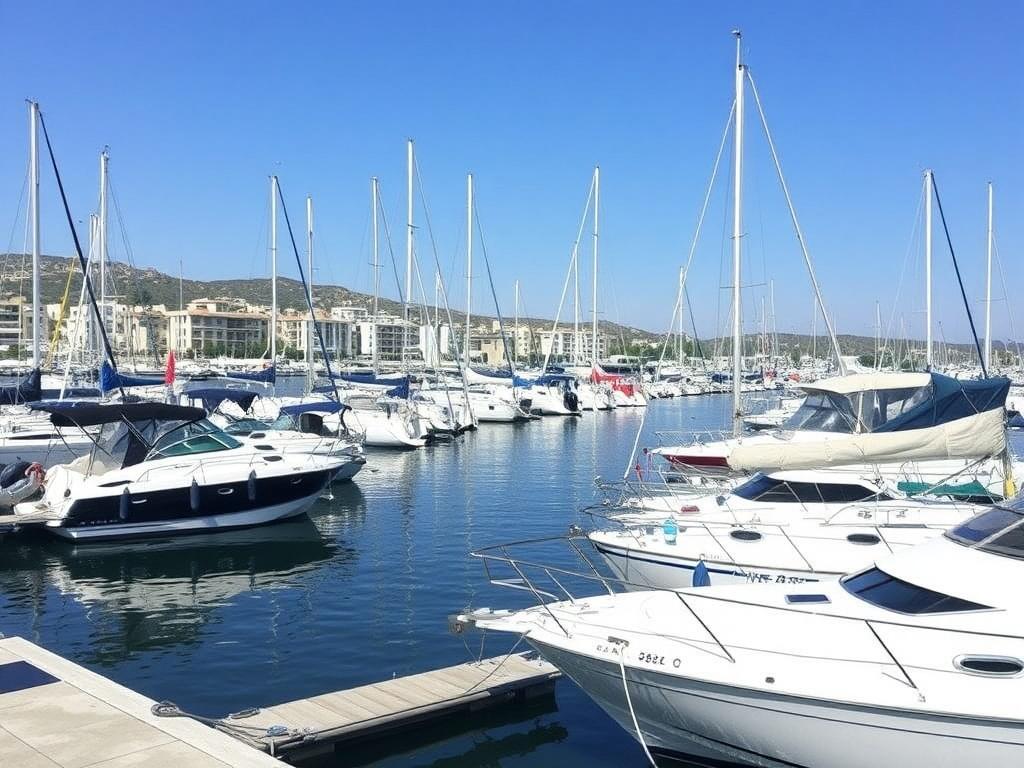
Cyprus Marina Living: Boat Ownership and Waterfront Lifestyle
The eastern Mediterranean invites a particular way of living: salt-air mornings, short walks from a waterfront terrace to a mooring, and communities built around the rhythms of the sea. Cyprus has matured into a sophisticated hub for sailors, investors, and homeowners seeking marina-adjacent residences that combine modern infrastructure with an island lifestyle. This article maps the practical, legal, and lifestyle considerations for anyone contemplating a move toward Cyprus marina living, showing how to translate aspiration into a manageable, long-term plan.
For buyers interested in properties near established ports, the options are varied and region-specific; detailed listings and market overviews can quickly narrow choices when you start with the right sources. A useful place to begin research is to look at current property for sale in Paphos region to identify neighbourhoods that mix access to berthing with long-term value and community amenities. This initial phase clarifies the practical trade-offs between location, cost, and marina services, and it frames subsequent decisions about boat ownership and waterfront integration.
Why Cyprus Marina Living Appeals to a Global Audience
Cyprus presents a compelling combination of predictable weather, strategic geography, and developed marina infrastructure. Sailors and yacht owners appreciate proximity to short blue-water hops to neighbouring Mediterranean destinations, while homeowners value the increased resale and rental appeal of properties with direct marina access. The island’s legal and financial environment for non-resident buyers has evolved to accommodate cross-border investment, simplifying transactions for international purchasers.
The personal attractions of a waterfront lifestyle are as practical as they are emotional: direct access to your vessel, a community of like-minded neighbours, and daily sights of marine activity that alter how you plan time and leisure. From an investment perspective, waterfront properties and marina properties Cyprus often outperform inland equivalents in rental demand and long-term capital appreciation, though factors such as location, marina management, and seasonality heavily influence outcomes.
Living beside the marina shifts daily priorities: your home becomes a base for ocean voyages rather than an endpoint—this transformation underpins both lifestyle satisfaction and potential investment upside.
Where the Marinas Are and What They Offer
The island hosts several primary marinas and a number of smaller harbours. Each has distinct characteristics: scale, service level, protective geometry, and proximity to urban centres. Limassol Marina, for instance, is a large, modern facility integrated with luxury residential development, while harbours in Paphos and Larnaca serve a mix of local fishing, pleasure craft, and tourist-oriented services. Smaller harbours in Ayia Napa and Protaras cater to seasonal leisure boating and provide convenient access to diving and coastal tourism.
Understanding the physical and commercial profile of each marina helps buyers align expectations about berthing availability, long-term maintenance regimes, and community composition. For example, marinas adjacent to large urban centres typically provide superior shore-side amenities—restaurants, boutiques, repair yards—whereas more remote marinas offer calmer waters and a quieter pace but may lack immediate service access.
| Marina | Location | Berth Capacity | Notable Services |
|---|---|---|---|
| Limassol Marina | Limassol | ~650 | Full-service yards, refit, luxury residences |
| Paphos Harbor | Paphos | ~200 | Local provisioning, slipways, tourism charters |
| Larnaca Marina | Larnaca | ~150 | Marina club, maintenance, ferry links |
| Ayia Napa and Protaras Harbours | Famagusta District | Small to medium | Seasonal services, tourist charters |
Choosing the right marina balances the immediate conveniences of shore services with the marine characteristics you value—protection, access, and community.
Understanding Marina Capacity and Growth Patterns
Berth availability mirrors local development and demand cycles. Recently developed marinas tend to attract a premium clientele and align with adjacent real estate projects, which can push prices higher but also improve service standards. Older harbours often retain strong local identities and provide lower-cost berthing options, but they might lack some modern amenities like on-site chandlery or high-capacity lifting equipment.
When assessing capacity, investigate not only current berths but long-term expansion plans. Municipal or private plans for additional berths, infrastructural upgrades, or waterfront redevelopment will affect future supply and, by extension, property values and mooring costs.
Marina Properties Cyprus: Types, Price Drivers, and Investment Logic
Marina properties in Cyprus include waterfront apartments, penthouses with direct terrace views over berths, townhouses that back onto canal systems, and standalone villas with private dockage. Price drivers are consistent with global marina markets: immediate berth access, direct sightlines to the water, building quality, developer reputation, and proximity to premium marinas. The micro-location, for example a unit within walking distance to a premium marina building versus a block removed, has an outsized impact on rental yields and resale liquidity.
Investors should differentiate between lifestyle purchases and pure yield plays. A lifestyle buyer may prioritise slip accessibility, privacy, and design. An investor will emphasise rental demand, seasonal occupancy, and regulatory constraints on short-term lettings. Both profiles, however, benefit from targeted due diligence on service charges, marina management arrangements, and rights of access to berths.
- Types of marina properties: apartments, villas with private docks, duplexes, penthouses.
- Primary price drivers: berth inclusion, building amenities, marina proximity, and community services.
- Investment considerations: rental season length, maintenance fees, and resale prospects.
Not all waterfront properties deliver equal returns: the presence of an allocated berth and consistent marina management often distinguishes high-performing assets.
How Local Markets Differ: A Snapshot
Paphos region continues to attract families and retirees seeking moderate price points and quieter marina environments compared with Limassol’s more luxury-driven market. Limassol, with its high-density luxury marina developments, tends to command higher prices and caters to international yachting clientele. Larnaca occupies a middle ground with growing interest from long-term residents and local boat owners seeking accessibility without Limassol premiums.
When evaluating the market, look beyond headline prices to recurring expenditures—marina dues, community service charges, and taxation rules that differ by municipality and property type. These will determine net returns and real cost of living on the waterfront.
Legal, Registration, and Tax Considerations for Boat Ownership Cyprus
Boat ownership in Cyprus is a regulated activity that touches multiple authorities: maritime registration, customs (for VAT), and municipal jurisdictions for berthing. Owners must ensure vessels meet registration, safety, and environmental standards that apply to pleasure craft and to commercial operations if used for charter. Non-compliance can lead to fines, seizure, or restrictions on movement, so owners typically engage professional advisors for registrations and compliance checks.
Registration routes vary by vessel type, length, and intended use. Pleasure boats used privately have different documentation requirements compared to yachts operating commercially or offering charters. VAT can be a critical cost component; depending on status and use, vessels may be subject to VAT at purchase, or qualify for armed exemptions or second-hand arrangements. Always verify the effective VAT position with a maritime tax specialist prior to purchase.
The cost of buying and keeping a boat extends beyond purchase price: registration, VAT, and local compliance are substantial, and early expert consultation avoids expensive surprises.
Practical Steps for Registration and Compliance
Begin by identifying the appropriate registry and documentation required for your vessel. This typically involves proof of ownership, proof of VAT clearance or exemption, safety certifications, and owner identity documents. If you plan to base a boat in a Cypriot marina, you will need to arrange local mooring permits and possibly proof of insurance that meets Cypriot standards.
For non-EU owners importing boats temporarily, customs formalities differ from permanent imports and often involve bonding or temporary admission procedures. For those intending to operate commercially (charters), additional licensing, inspections, and ongoing audits by maritime authorities are necessary. Each route requires lead time—budget weeks rather than days for full processing.
Berthing, Mooring Contracts, and Marina Fees
Securing a berth is one of the most immediate concerns for boat owners in Cyprus. Berth contracts vary widely: some marinas offer long-term, renewable berthing rights; others operate on annual contracts with renewal subject to availability. Fees typically scale with berth length, electricity, water, and access to services like crane use or on-site repair facilities.
Berth allocation may be linked to ownership of adjacent property in some developments; a bought unit could include a berth deeded or offered under preferential terms. Otherwise, owners should expect separate negotiation for mooring rights. Understand whether berths are transferable with a property sale and whether the marina has preferential waiting lists or priority rules for residents.
- Typical berth fee components: base rent, utilities, security, and maintenance levies.
- Contract types: annual, seasonal, transferable, or non-transferable arrangements.
- Hidden costs: dock improvements, VAT on services, and fees for haul-out or storage.
Review berth contracts for transferability and detailed fee structures—these terms directly affect the freedom to sell, charter, or relocate your vessel.
Berth Allocation Mechanics and Rights
Marinas manage their berths with laid-out policies for allocation and subletting. Some allow permit-based subletting for short-term charters; others restrict berths to owners only, prohibiting commercial subletting. Clarify these rules before you commit, as they affect both cash flow for investors and convenience for owner-occupiers.
Seasonal variations in demand may also mean that holiday-season berthing is restricted or premium-priced. Negotiating a contract with explicit terms on winter storage and storm contingency procedures is prudent, as islands can experience occasional severe weather that requires rapid response from marina management.
Insurance, Maintenance Cycles, and Crew Considerations
Comprehensive marine insurance is a non-negotiable cost for responsible boat ownership Cyprus. Policies should address hull damage, third-party liability, theft, and environmental damage. Premiums depend on vessel age, value, intended use, and chosen berth. Many marinas require proof of insurance with specific coverages before granting berthing rights.
Maintenance planning needs a clear calendar for haul-out, anti-fouling, engine checks, and electronics refresh. Cyprus’s warm waters reduce some winterization concerns common in northern climates but increase the need for regular hull cleaning and corrosion control. Owners without hands-on experience typically retain local crew or service providers for maintenance and logistics coordination.
Insurance and maintenance form the operational backbone of ownership; neglect either and the unexpected repair costs or legal liabilities grow quickly.
Finding Reliable Marine Service Providers
Local networks, marina bulletin boards, and yacht clubs are primary sources for vetted contractors. Service providers range from certified surveyors and engine technicians to electricians and fiberglass specialists. Establish relationships early—good contractors have seasonal backlogs and may book months ahead for major refits.
Many owners also consider management companies that handle day-to-day tasks: registering the vessel, collecting berthing fees, coordinating maintenance, and handling short-term rentals if permitted. The fees for such services are a trade-off against convenience and are often justified by the peace of mind they provide when owners are off-island.
Cyprus Yacht Clubs: Community, Training, and Racing
Cyprus yacht clubs play a central role in the social and sporting side of marina life. Clubs offer sailing schools, youth training programs, organized races, and social events that knit together the community. Whether you are a novice seeking structured instruction or an experienced skipper interested in competitive racing, clubs provide a consistent calendar of events and a network of experienced sailors.
Membership in a yacht club often opens access to volunteer crews, discounted berthing, and shared knowledge about local cruising grounds and maintenance best practices. Clubs also coordinate seasonal regattas that attract international competitors, increasing local tourism and adding prestige to marina districts.
Club membership accelerates integration into the marina community—boat owners gain practical skills and access to events that elevate both lifestyle and vessel use.
Programmes and Benefits Offered by Clubs
Look for clubs that offer certified instruction (RYA-equivalent or local certifications), comprehensive youth outreach, and active race calendars. Many clubs also maintain partnerships with marinas to provide member discounts on services and fuel, and some act as advocates for local environmental initiatives affecting the coastline.
Even if you do not intend to race, clubs serve as information centers for newcomers, offering guidance on local regulations, safety procedures, and social norms that simplify settlement in a new marina community.
Chartering, Commercial Use, and Tax Implications
Using a yacht commercially—charter operations, skippered tours, or even corporate events—changes the legal and tax profile of vessel ownership. Commercial use typically requires additional licensing, periodic surveys, and adherence to stricter safety standards. Revenues generated from charter activities are taxable and may expose the owner to VAT or corporate tax depending on structuring and the chosen business model.
For many owners, short-term chartering provides a pragmatic way to offset running costs. However, this strategy must be carefully modelled against the costs of commercial compliance, additional insurance riders, and marina policies on subletting. Some marinas explicitly limit chartering activities from their berths, so confirm permitted uses before purchase.
Commercial use of a vessel opens revenue streams but introduces regulatory complexity—assess net returns after compliance costs and market seasonality.
Steps to Convert a Private Vessel to Charter Use
Key steps typically include upgrading safety equipment to commercial standards, obtaining a commercial vessel licence, implementing formal booking and accounting systems, and ensuring insurance covers commercial liabilities. A formal business plan that accounts for dry-dock seasons, marketing, and crew costs improves the likelihood of a profitable charter operation.
Consider partnering with established charter operators who can handle bookings and operations in exchange for a management fee—this can reduce initial administrative burdens and leverage existing customer bases.
Environmental and Safety Regulations Affecting Waterfront Living
Environmental compliance is increasingly integral to marina operations and waterfront properties. Regulations cover sewage disposal, bilge water management, and the use of hazardous materials during maintenance. Marinas are expected to provide pump-out facilities and enforce waste disposal protocols for visiting boats. Owners who ignore these rules risk fines and reputational damage within tightly knit marina communities.
Safety standards focus on crew training, fire suppression systems, and safe electrical installations. For waterfront residents who keep tenders or small craft adjacent to their homes, local rules often specify storage and usage parameters to maintain shoreline safety and navigation integrity.
Respecting environmental protocols protects both the marine ecosystem and the long-term viability of waterfront recreation—responsible practice is a form of community investment.
Practical Environmental Measures for Owners
Adopt non-toxic antifouling paints where possible, arrange responsible waste disposal during maintenance, and use certified service providers for hazardous material handling. Proactive environmental stewardship is also an effective way to build goodwill with marina management and neighbours, which can be invaluable in disputes or negotiations.
Many marinas now run green initiatives—solar power for facilities, electric charging points for tenders, and coordinated recycling programmes. Participation in these programmes reduces operational friction and sometimes yields lower service charges or access to grants and incentives.
Financing Marina Properties and Purchasing Process
Financing waterfront real estate may involve specific lender requirements: valuation of both the property and any associated berth, assessment of community service charges, and review of marina regulations that could affect the lender’s security. Local banks and international lenders operating in Cyprus provide mortgage products to non-residents, but underwriting criteria can vary substantially.
Start the process with pre-approval to understand borrowing capacity. When negotiating purchase contracts, pay attention to what is included—berth rights, storage facilities, furniture—and clarify timelines for handover and marina transfer processes. Given the complexity, using a solicitor experienced in marina properties is essential to reduce delays and ensure clear title transfer.
- Pre-approval and affordability checks with local lenders.
- Contract reviews for berth inclusion and transferability.
- Escrow and staged payments aligned with developer or vendor milestones.
Secure pre-approval and specialist legal counsel early—these steps turn speculative browsing into a realistic, time-bounded acquisition plan.
Foreign Buyer Considerations and Residency Links
Non-resident buyers should confirm whether their nationality imposes additional permissions, and whether property acquisition may qualify them for residency programmes. Some investment thresholds have, at times, been linked to residency eligibility. Verify current rules and any developer incentives; structuring purchases through corporate entities alters tax and regulatory obligations and should be evaluated by a professional.
Where residency is a goal, coordinate property purchase timelines and visa applications to avoid mismatches between legal status and the financial commitments of ownership.
Seasonality, Rental Demand, and Year-Round Living
Seasonal tourism impacts both marina activity and short-term rental demand. Peak months typically span late spring through early autumn, driving high berth occupation and rental rates. Year-round residents benefit from lower service queuing for maintenance but may confront quieter social calendars in off-season months. The decision to live year-round should balance personal lifestyle goals against the variable income potential from rentals.
Seasonality also affects maintenance scheduling: haul-out periods and refit capacity surge in off-season and can fill quickly. Owners who plan refits should book well in advance to secure desired time slots and to avoid inflated service rates during busy turnaround periods.
Seasonality defines both social life and revenue potential—owners must design maintenance and rental strategies around the island’s tourism cycles.
Optimizing Rental Potential Without Compromising Lifestyle
Consider flexible occupancy strategies: owner use during shoulder months and short-term rentals in peak periods. Ensure that marina and community rules permit rentals and that management processes are in place for guest handling. Professional property managers help maintain standards while reducing owner workload and protecting the asset’s condition over time.
Market your property to the right audience—sailing enthusiasts, family holidaymakers, or corporate groups—each segment values different amenities and seasons, and targeting increases occupancy efficiency and net returns.
Practical Checklist and Timeline for Moving Toward Marina Life
Transitioning to a marina-centred residence benefits from a structured timeline. Begin with market research, narrow locations to 2–3 marinas that fit your lifestyle priorities, and visit in different seasons to gauge real-life conditions. After property selection, proceed with legal due diligence, financing, berth contract negotiation, and vessel registration if you are transferring a boat.
Allocate time for establishing local services such as electricity/water registration, waste management, and marina account setup. If you plan to hire crew or management services, allow overlap time for handover and first-season troubleshooting.
- Research: 1–3 months to narrow locations and review listings.
- Visits: at least two visits in different seasons over 6–12 months.
- Purchase and close: 2–6 months depending on financing and legal checks.
- Registration and move-in: 1–3 months for vessel and property logistics.
A phased approach reduces risks: research, visit, purchase, then operational setup—each step requires its own specialist checks and lead times.
Simple Pre-Move Checklist
Prioritize the following items in parallel to avoid bottlenecks: secure mortgage or capital, confirm berth contract and transfer rules, complete vessel registration and insurance, and arrange initial maintenance. Engage local service providers early and document all agreements in writing to avoid misunderstandings.
Finally, assemble emergency and contact lists—marina management, nearest refit yard, and a legal advisor—to ensure that initial months run smoothly and that you have rapid recourse if issues arise.
Real-World Profiles: How Different Buyers Approach Cyprus Marina Living
Consider three distinct buyer archetypes: the active cruiser, the part-time resident investor, and the family-oriented long-term settler. The active cruiser prioritizes berth proximity and services for rapid turnarounds between voyages. The investor targets units with strong rental potential and looks for transferable berths and clear management systems. The family settler values safety, access to education and healthcare, and a stable community, with berthing as a lifestyle convenience rather than a business asset.
Each profile demands different due diligence. Cruisers focus on maritime infrastructure and manoeuvrability; investors stress occupancy analytics and service charge transparency; families prioritise local amenities and security. Understanding your profile helps you filter properties efficiently and negotiate terms that match your intended use.
Define your ownership profile early—this single decision refines search criteria and aligns your due diligence with practical priorities.
Illustrative Example: A Balanced Approach
A couple purchasing a two-bedroom apartment in Paphos with access to a shared berth opted for a management company to handle seasonal rentals. They used off-peak months for personal use and intentionally limited rentals to weeks when they were absent to preserve the property’s condition. Their approach balanced lifestyle and income while keeping management overhead predictable.
This blended model illustrates how flexible planning and clear contract terms can produce a satisfying blend of ownership utility and financial performance.
Setting Sail: Your Next Steps Toward Cyprus Marina Living
Deciding to pursue Cyprus marina living is a multi-dimensional choice that couples real estate with maritime practice. Start by clarifying priorities—whether they are lifestyle, investment yield, or cruising convenience—and use those priorities as filters across location, property type, and marina choice. Early engagement with legal, tax, and maritime professionals reduces friction and protects your investment from avoidable liabilities.
Visit target marinas in different seasons to experience their temperaments and services firsthand. Verify the legalities around berth transfer, vessel registration, and potential chartering before committing. Use the checklists and timelines above to structure your process and to avoid common pitfalls such as underestimating recurring costs or misreading berth allocation policies. With methodical preparation, Cyprus offers a durable, rewarding intersection of waterfront living and maritime access.
The right preparation converts aspiration into a manageable plan: research smartly, engage professionals, and align a property choice with your long-term maritime goals.
Finally, if Paphos is on your shortlist, consult local listings and specialist agents to compare neighbourhoods and identify current property for sale in paphos region that include advantageous marina access. Matching the property to your intended use and budget is the critical next step in securing a satisfying and sustainable waterfront lifestyle.
1. What paperwork do I need to register a private boat in Cyprus? Answer: You will need proof of ownership (bill of sale), identification documents for the owner, the vessel’s build and safety certificates, evidence of VAT payment or exemption where applicable, and completed registration forms filed with the competent maritime authority. Specific requirements depend on vessel type and intended use—consult a maritime registry officer or a local specialist. 2. Can a foreign national buy marina properties Cyprus without residency? Answer: Yes, foreign nationals can purchase most properties in Cyprus without residency, though some restrictions exist on agricultural land or plots near certain strategic zones. Mortgage availability and tax implications differ for non-residents, so secure legal and financial advice before proceeding. 3. Are berths typically included when buying waterfront real estate? Answer: Not always. Some developments include a berth as part of the purchase; others require separate negotiation and a separate contract. Confirm berth transferability and costs in the sale agreement to avoid surprises post-closing. 4. What are typical annual running costs for a medium-sized yacht kept in Cyprus? Answer: Annual costs include berth fees, insurance, routine maintenance, fuel, periodic haul-outs, and marina service charges. For a medium-sized yacht, these can range widely depending on usage and service level; budgeting conservatively for several thousand to tens of thousands of euros annually is prudent. 5. Can I operate my boat commercially (charter) from a Cypriot marina? Answer: Yes, but commercial operation requires additional licensing, compliance with safety regulations, higher insurance levels, and often specific marina permissions. Taxation and VAT rules differ for commercial activities; plan with maritime and tax professionals. 6. How do Cyprus yacht clubs help new boat owners integrate into local boating life? Answer: Yacht clubs provide training, crew networks, local knowledge, event calendars, and social connections. They can help newcomers learn regional navigation practices and connect with trusted service providers, accelerating integration into marina communities. 7. What environmental rules should I know as a waterfront property owner? Answer: Key rules include proper disposal of sewage and bilge water, use of approved antifouling paints, handling of hazardous materials during maintenance, and respecting marine protected area restrictions. Marinas usually provide guidance and facilities to help owners comply; use certified contractors for significant maintenance.
Author

Petros Christofi
On any given morning you’ll catch me balancing a drone’s view of Cyprus rooftops with a spreadsheet of residency permits. I’m a migration solicitor who tackles visa rules like sudoku—every line must resolve neatly before sunset. After sealing a property deal, I pedal the Salt Lake trail to test if a buyer’s new commute feels right. My mission is simple: decode the island’s paperwork so you can start calling the mezé place “your local.”