Cycling the Entire Cyprus Coastline: Gear, Routes, and Pitfalls
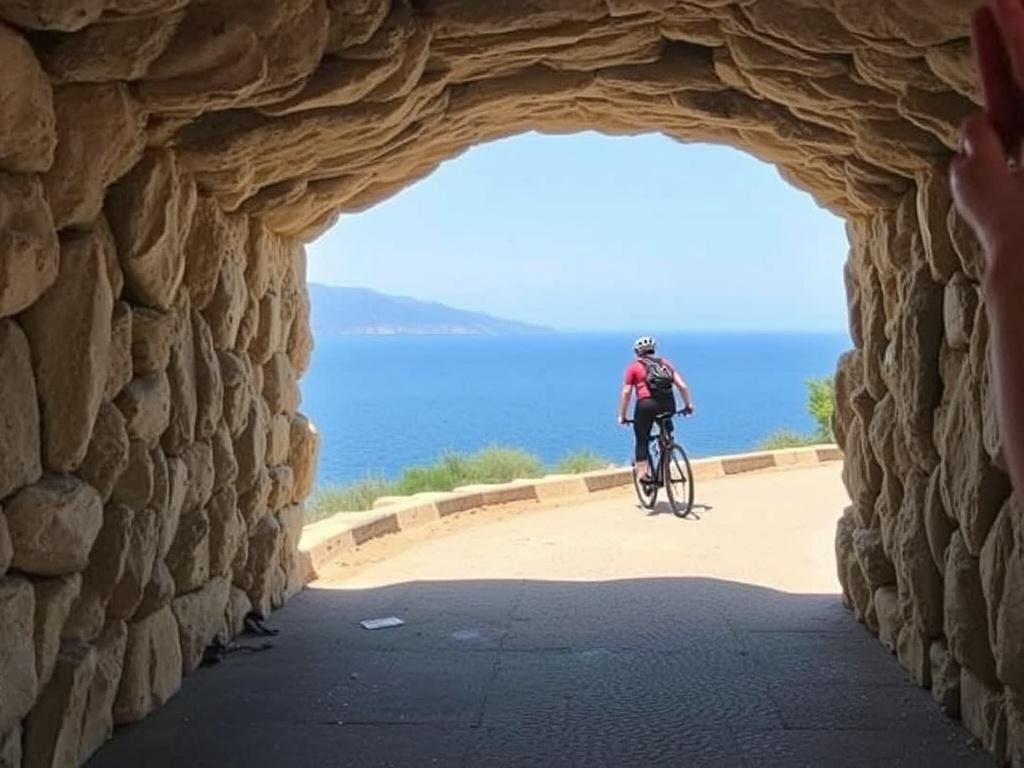
Embarking on a bike tour along the Cyprus coastal cycling route is one of the most rewarding ways to experience the island’s unparalleled natural beauty, cultural heritage, and vibrant seaside towns. Covering nearly 648 kilometers of shoreline, Cyprus offers a diverse terrain of sun-soaked beaches, dramatic cliffs, and quaint villages that can be explored at a leisurely or challenging pace. However, tackling long distance cycling Cyprus requires more than just enthusiasm; it demands detailed coast bike trip planning, the right cycling gear Cyprus, and an understanding of potential pitfalls on the route. This comprehensive guide will lead you through every essential aspect of cycling the entire coastline, ensuring your journey is both safe and unforgettable.
The Allure of the Cyprus Coastal Cycling Route
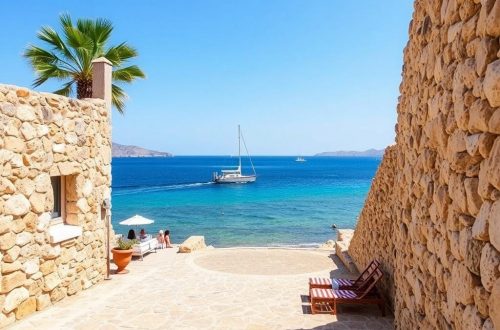
Cyprus is an island of contrasts—from the crystal-clear waters of the Mediterranean Sea to the rugged Troodos Mountains inland. The Cyprus coastal cycling route captures the essence of the island’s coastal charm. It passes through some of the most picturesque spots in both the Republic of Cyprus and the northern areas, blending stunning natural landscapes with compelling historical sites.
For avid cyclists, this route provides a unique opportunity to blend physical endurance with cultural exploration. You aren’t just traversing miles of coastline; you are connecting centuries-old ports, ancient ruins, vibrant fishing harbors, and traditional villages — all on two wheels.
The circular nature of the Cyprus coastal cycling route allows for flexible start points, catering to varied travel plans. You can segment the journey into manageable legs or challenge yourself to complete it in one continuous trip, turning it into a significant endurance feat.
The Cyprus coastal cycling route is more than a ride; it’s an immersive journey through Mediterranean history and incomparable landscapes.
Planning a Coast Bike Trip: Where to Start
Effective coast bike trip planning begins long before you set pedal to pavement. Cyprus’ weather, geography, and infrastructure pose unique variables you must consider to maximize safety and enjoyment.
**Route Mapping and Timing:** Understanding the full scope of the route is critical. While some segments have dedicated bike lanes and supportive cycling infrastructure, other stretches require cautious navigation along busy roads or less maintained paths. It is wise to use detailed maps and GPS tools designed specifically for cycling in Cyprus. Given the island’s climate, planning your ride during spring or autumn avoids the sweltering summer heat and ensures moderate temperatures.
**Daily Distances and Rest:** To cover the entire coastline comfortably, plan daily distances of 50 to 70 kilometers. This pace balances stamina with time to explore local highlights. Allocate rest days strategically, perhaps after intense segments like climbing near the Karpas Peninsula, to avoid fatigue.
**Accommodation and Supplies:** Coastal towns in Cyprus are well-equipped with accommodation options, from guesthouses to boutique hotels. Nonetheless, depending on your route, some stretches can be isolated. Mapping supply points for water, food, and bike servicing before departure is essential. Packing extra hydration and emergency repair kits can save you in remote locations.
Proper coast bike trip planning hinges on balancing endurance with exploration, safety with adventure.
Essential Cycling Gear Cyprus Riders Must Have
The right cycling gear Cyprus riders choose profoundly influences comfort, efficiency, and safety during a long distance cycling Cyprus. The island’s varied climate and terrain call for gear that can adapt to coastal heat, winds, and occasional sharp elevation changes.
Bike Type and Components: A lightweight touring or gravel bike is ideal for the mixed surfaces encountered along the Cyprus coastal cycling route. These bikes provide durability for coastal roads and the occasional off-road track while maintaining speed and comfort for longer stretches. Invest in puncture-resistant tires and reliable brakes suited for variable weather conditions.
Clothing: Breathable, moisture-wicking cycling apparel is critical when navigating Cyprus’ Mediterranean climate. Layering options are advisable since coastal mornings may start cool, warming rapidly toward noon. Arm sleeves, sunproof gloves, and a cycling hat under your helmet are effective against prolonged sun exposure.
Safety Equipment: Helmets are mandatory and must fit properly to provide protection on winding coastal roads. Reflective gear and powerful lights are necessary, especially if cycling during early mornings or late evenings. A durable repair kit is also indispensable to manage common issues such as chain adjustments or flat tires.
| Item | Purpose | Recommended Features |
|---|---|---|
| Touring/Gravel Bike | Handling mixed terrain | Lightweight frame, puncture-resistant tires |
| Breathable Clothing | Comfort in heat and wind | Moisture-wicking, UV protection |
| Helmet | Head protection | Good fit, ventilated, certified safety standard |
| Lights and Reflectors | Visibility in low light | High lumen output, rear red reflector |
| Repair Kit | On-the-go fixes | Multi-tool, pumps, spare tube |
Choosing the right cycling gear Cyprus demands bridges the gap between challenge and achievement on this epic ride.
Breaking Down the Cyprus Coastal Cycling Route
The route itself can be logically divided into five segments, each distinct in character and cycling challenge. This segmentation aids in focused planning and harnesses the full cycling experience the coast has to offer.
1. Paphos to Limassol (Approx. 65 km)
This section is a blend of historic sites and modern beaches. The ride starts from Paphos with its rich archaeological heritage before following the coast through small harbors and resort areas. The path is mostly flat with occasional rolling hills, making it suitable for initial conditioning.
2. Limassol to Larnaca (Approx. 75 km)
Between Limassol and Larnaca, the terrain shifts with some more challenging slopes near Cape Greco. This stretch requires attention on winding roads but rewards with stunning sea views. Coastal towns along this section feature excellent rest points.
3. Larnaca to Ayia Napa (Approx. 50 km)
Shorter in distance but rich in natural beauty, this stretch crosses salt lakes and winds past protected wetlands. Expect flat terrain but variable winds. It’s ideal for a relaxed riding day with ample opportunities for bird watching.
4. Ayia Napa to Famagusta (Approx. 40 km)
This portion heads toward the northeast corner of Cyprus, passing through beaches and small fishing villages. Some parts of this segment, especially near the Varosha district, are restricted or sensitive zones—research is necessary before heading here.
5. Famagusta to Paphos via the North Coast (Approx. 280 km)
The longest and most demanding leg, this route follows the northern coastline, encompassing areas like Kyrenia and Karpas Peninsula. It offers incredible mountain-to-sea views and sparsely populated stretches. It is also the most logistically challenging, given the fewer cycling-specific facilities. Adequate preparations for supplies and repairs are critical here.
Cycling the Cyprus coastal route reveals microcosms of culture and landscape unique to each segment of the island.
Common Pitfalls and How to Avoid Them
Cycling a long distance route like this is not without challenges. Understanding common pitfalls prepares riders to face and overcome them effectively.
Underestimating Weather Conditions: Cyprus is traditionally a sunny Mediterranean island, but unexpected wind gusts, especially along exposed coastal stretches, can quickly drain your energy. Riding against strong coastal winds is exhausting; plan daily distances accordingly and consider starting early to avoid heat and winds that pick up by afternoon.
Poor Route Signage: While many popular road segments are marked, some parts of the Cyprus coastal cycling route lack clear cycling signage. Relying solely on physical signs can lead to disorientation and dangerous detours, especially on the northern stretches where infrastructure varies significantly. GPS devices and downloaded cycling maps are invaluable.
Ignoring Hydration and Nutrition: Dehydration is a serious risk, especially in summer months and during long non-stop days. Not all coastal locations have easy access to potable water; carry sufficient fluids and electrolyte replacements.
Neglecting Vehicle Traffic: Some coastal roads double as busy motorways during peak seasons. Cyclists face heightened risk at narrow, winding sections without designated bike lanes. Staying visible, using mirrors, and wearing high-visibility gear are essential safety practices.
Awareness of pitfalls transforms potential obstacles into manageable challenges on your coast bike trip.
Maximizing Your Experience: Tips from Seasoned Cyclists
Taking insights from experienced cyclists who have tackled the entire Cyprus coastal cycling route can elevate your journey beyond basic execution. Here are several curated recommendations:
- Early Starts Are Key: Begin riding at sunrise to capitalize on cooler temperatures and lighter traffic.
- Embrace Local Culture: Stop at seaside taverns and markets to engage with locals and refuel on authentic Cypriot cuisine.
- Pack Smart, Travel Light: Overloading your bike can cause fatigue and reduce handling precision. Utilize lightweight but durable gear.
- Stay Flexible: Weather or unexpected road closures may necessitate plan adjustments. Adaptability is a cyclist’s best tool.
- Document Your Journey: Use action cameras or journals—the changing landscapes and moments along the Cyprus coast are worth preserving.
Incorporating these tips ensures that the ride isn’t just about distance but about creating rich, memorable experiences.
The true essence of cycling the Cyprus coast lies in blending endurance with curiosity and respect for the environment.
Riding Beyond the Coastline: Exploring Inland Cyprus
While the coastal route receives ample attention, riders looking to diversify their adventure can venture inland. The Troodos Mountains provide challenging climbs and cool retreats. These routes vary drastically from the coastal paths, introducing steep gradients and narrow lanes winding through pine forests and mountain villages.
Integrating inland loops into your Cyprus coastal cycling route adds complexity but also a well-rounded perspective of the island’s geography. Planning these excursions requires additional cycling gear Cyprus suited for cooler temperatures and possibly rain—conditions unlikely on the coast but possible in higher altitudes.
For example, a detour to the village of Kakopetria via the Ombrosgialos Pass offers an excellent test of endurance alongside breathtaking panoramas. It’s also an opportunity to discover traditional Cypriot hospitality away from the bustling coast.
Inland rides complement the coast bike trip planning to offer a multidimensional Cyprus cycling experience.
Technology and Tools for a Successful Cyprus Coastal Cycling Trip
Modern cycling technology has transformed how cyclists plan and execute long routes like the Cyprus coastal cycling route. From navigation aids to health monitoring, leveraging the right tech tools can make or break your experience.
Navigation Devices: Handheld GPS cycling computers with preloaded Cyprus route maps provide real-time location updates and altimetry data. Smartphone apps specialized for cycling—such as Komoot or RideWithGPS—allow detailed offline maps, turn-by-turn instructions, and tracking.
Communication and Emergency: Carrying a fully charged mobile phone and a portable battery bank ensures you can seek help if needed. Some prefer satellite communicators for more remote northern coastline sections where cellular coverage varies.
Health and Performance Trackers: Wearable tech like heart rate monitors and cadence sensors helps maintain efficient pacing across the long distance cycling Cyprus demands. Monitoring hydration levels and exertion can prevent exhaustion and improve overall ride quality.
Technology is a force multiplier, transforming a challenging coast bike trip into a manageable and enjoyable adventure.
Invest in reliable tech to navigate, communicate, and optimize your performance on Cyprus’ expansive coastal ride.
Your Next Challenge Awaits: Ready to Cycle the Cyprus Coast?
Setting out to cycle the entire Cyprus coastline is no small undertaking. It melds physical endurance with detailed coast bike trip planning, thoughtful selection of cycling gear Cyprus, and a mindful approach to the route’s unique challenges. While the journey covers varied terrain and climatic conditions, the rewards are unparalleled—a rare blend of scenic beauty, cultural richness, and personal achievement.
To succeed, focus on preparation. Understand the distinct segments of the Cyprus coastal cycling route and accommodate rest and flexibility. Equip yourself with gear tailored to the island’s environment, and stay alert to avoid common pitfalls. Coupled with modern tools and the insights of fellow cyclists, this ride has the potential to be a career-defining adventure.
This epic ride demands respect for its scale and surprises, but the experience it offers is the perfect reward for those willing to meet the challenge head-on. Whether you’re a seasoned cyclist or a determined newcomer, Cyprus’ coastline awaits your especially crafted journey.
Every pedal stroke into Cyprus’ coastal horizon is an invitation to explore, endure, and embrace the extraordinary.
Frequently Asked Questions
- What is the best time of year for long distance cycling Cyprus?
Spring (March to May) and autumn (September to November) are ideal due to moderate temperatures and lower tourist traffic. - Do I need a special bike for the Cyprus coastal cycling route?
A touring or gravel bike with durable tires is recommended for mixed terrain and comfort over long distances. - Are there plenty of places to buy supplies along the route?
Coastal towns are well-equipped, but some northern stretches are remote—carry sufficient food, water, and repair tools in advance. - Is the Cyprus coastal cycling route well signposted?
Signage exists in populated areas but is limited in remote sections; a GPS device or cycling app is essential. - How physically demanding is cycling around the entire Cyprus coast?
It varies, but expect moderate to high endurance demands, especially on northern and eastern segments with elevation changes. - Can I combine the coastal route with inland mountain routes?
Yes, incorporating inland routes like those in the Troodos Mountains adds challenge and variety but requires additional planning. - Is it safe to cycle alone along the Cyprus coastline?
Generally yes, but stay vigilant on busy roads, avoid isolated stretches after dark, and inform someone about your itinerary.
Author

Petros Christofi
On any given morning you’ll catch me balancing a drone’s view of Cyprus rooftops with a spreadsheet of residency permits. I’m a migration solicitor who tackles visa rules like sudoku—every line must resolve neatly before sunset. After sealing a property deal, I pedal the Salt Lake trail to test if a buyer’s new commute feels right. My mission is simple: decode the island’s paperwork so you can start calling the mezé place “your local.”