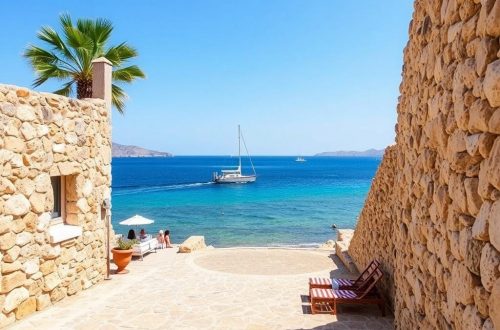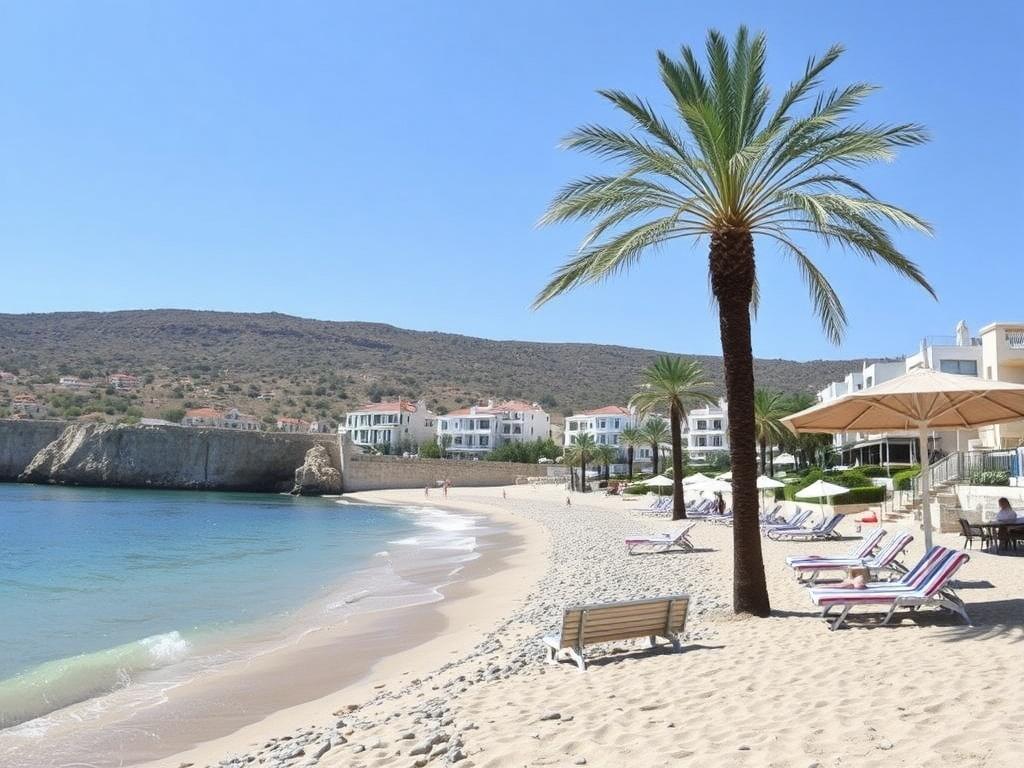
Pros and Cons of Living Walking Distance to Cyprus Blue Flag Beaches
Living near beach Cyprus has a distinctive allure that captivates residents and visitors alike. Among the most prestigious coastal destinations, Cyprus stands out for its Blue Flag beaches, known for clean waters, safe environments, and sustainable management. The appeal of owning or renting Blue Flag beaches Cyprus homes or beachside property Cyprus extends beyond the obvious natural beauty—it entwines with the lifestyle, health benefits, and community dynamics that define coastal living. Still, the seaside lifestyle Cyprus comes with complexities that demand careful consideration. This article explores the nuanced coastal living pros cons Cyprus in detail, aiming to guide anyone considering making a seafront residence their permanent or seasonal home.
The Appeal of Cyprus Blue Flag Beaches
Cyprus is renowned for its pristine coastline dotted with Blue Flag beaches—internationally recognized for meeting stringent environmental, safety, and accessibility standards. These beaches promise not only crystal-clear water but also amenities like lifeguard presence, waste management practices, and facilities suitable for families and individuals with disabilities.
The Blue Flag system, developed by the Foundation for Environmental Education, sets a global benchmark where only beaches that satisfy high-quality criteria are certified. In Cyprus, over 50 beaches carry this distinction, spanning from urban centers like Limassol and Paphos to more secluded spots in the north or the Akamas peninsula.
For those living near beach Cyprus, the benefits are tangible: consistently clean water for swimming and water sports, well-maintained sand areas, and a community of residents and visitors who value environmental stewardship. High-quality recreational infrastructure encourages an active, outdoor lifestyle, complementing the region’s Mediterranean charm.
Blue Flag status guarantees safety and environmental standards, making these beaches a prime draw for buyers seeking quality coastal living.
Advantages of Living Near Beach Cyprus
The coastal living pros cons Cyprus debate often begins on the positive side. Below are the central advantages of living in close proximity to Cyprus’s Blue Flag beaches, which highlight why many are attracted to this lifestyle.
1. Health and Well-being Benefits
Multiple studies confirm that living near the sea contributes positively to physical and mental health. The salty air of Cyprus’s coastal regions contains natural minerals believed to clear respiratory conditions and improve skin health. The rhythmic sound of waves offers a calming effect, reducing stress and anxiety levels. Daily beach walks or swimming promote cardiovascular fitness and increase exposure to vitamin D, essential for bone health.
2. Premium Real Estate Value
Owning Blue Flag beaches Cyprus homes often means investing in properties with excellent appreciation potential. The exclusivity of Blue Flag certification coupled with the Mediterranean climate garners demand from both local buyers and international investors. Beachside property Cyprus enjoys luxury amenities, stunning sea views, and easy access to resort facilities. Such homes typically command higher prices but also offer significant long-term value.
3. Vibrant Community and Lifestyle
The seaside lifestyle Cyprus is synonymous with a socially vibrant atmosphere. Coastal towns frequently host festivals, beach sports events, and open-air markets that foster community spirit. For residents, this translates into year-round opportunities to partake in cultural and recreational activities, enhancing quality of life. The blend of traditional Cypriot culture and cosmopolitan influences also enriches the social fabric.
4. Environmental Awareness and Preservation
Choose Blue Flag beaches Cyprus homes, and you become part of a community that prioritizes environmental sustainability. Whether it’s through organized beach clean-ups or municipal initiatives to reduce plastic waste, living near these beaches encourages a responsible and eco-friendly mindset. This communal awareness helps maintain the integrity of the natural landscape and water quality for future generations.
Coastal living by Blue Flag beaches enriches lifestyle with health benefits, social engagement, and environmental responsibility.
Challenges and Drawbacks: Coastal Living Pros Cons Cyprus
Despite the many advantages, the seaside lifestyle Cyprus does present unique challenges. Being close to the coast often means balancing lifestyle aspirations with practical considerations, from environmental issues to economic factors.
1. Exposure to Seasonal Crowds and Tourism
Blue Flag beaches attract tourists, especially during the summer months when Cyprus receives an influx of visitors. While this brings economic benefits and vibrancy, it also causes congestion, noise pollution, and strain on local infrastructure. Residents living near beach Cyprus encounter crowded beaches, increased traffic, and occasional disruptions that contrast with the tranquility they seek.
2. Risk of Environmental Wear and Rising Sea Levels
Climate change is an increasingly urgent concern for coastal living. Rising sea levels threaten to erode beaches and increase flooding risks in low-lying Blue Flag beach areas. Additionally, high visitor numbers can accelerate environmental degradation if not carefully managed. Property owners must consider these risks when purchasing or maintaining beachside property Cyprus.
3. Higher Cost of Living and Property Maintenance
Beachside property Cyprus often comes with premium pricing not only for purchase or rent but also regarding ongoing maintenance costs. Salt air and humidity accelerate wear on buildings and infrastructure, necessitating frequent repairs and specialized materials. Utilities and services may be costlier relative to inland areas, reflecting demand for high standards of comfort and security.
4. Limited Privacy and Potential for Overdevelopment
Living near Blue Flag beaches Cyprus means proximity to public spaces and tourist hotspots. Privacy can become a concern, especially in popular beach areas where foot traffic exceeds that of a normal neighborhood. Furthermore, the demand for beachside property Cyprus incentivizes developers to build high-density complexes, sometimes at odds with residents’ preferences for low-impact, community-oriented living.
While coastal living offers unmatched perks, proximity to Blue Flag beaches Cyprus requires managing environmental risks and seasonal overcrowding.
Economic Implications of Blue Flag Beachside Living
Investing in Blue Flag beaches Cyprus homes goes beyond lifestyle choices; it is deeply tied to economic factors affecting both individuals and communities. The coastal economy of Cyprus benefits substantially from real estate activity, tourism, and related services.
Owners of beachside properties often enjoy rental income during peak tourist periods. Luxury villas and apartments near these beaches attract holidaymakers looking for quality experiences, providing a lucrative source of revenue. However, property values fluctuate with market trends, and economic downturns can impact demand, especially in a sector linked to international tourism.
On a wider scale, municipalities rely on sustainable tourism to fund infrastructure improvements and environmental management. Maintaining Blue Flag status involves costs related to cleaning, lifeguard services, and safety enforcement, partly subsidized by local taxes and fees connected to residential and commercial properties. This dynamic implies that coastal living pros cons Cyprus include both potential financial gains and responsibilities that affect community quality of life.
Social Dynamics and Community Life Near Blue Flag Beaches
The social fabric of neighborhoods adjacent to Cyprus Blue Flag beaches reflects a blend of permanent residents, seasonal visitors, and business owners. This diversity fosters dynamic interactions but also introduces challenges in community cohesion and infrastructure demands.
The Seasonal Shift in Population
During the tourist season, many Blue Flag beach towns swell significantly in population. Temporary residents include expatriates, tourists, and nomadic workers. This influx can boost local commerce and cultural exchange but may stretch resources like public transportation and healthcare facilities.
Community Integration and Cultural Events
On the other hand, seaside lifestyle Cyprus is enriched by communal events tied to the maritime environment. Fishing festivals, beach volleyball tournaments, and beachfront markets promote participation across different social groups. Residents often develop attachments to these traditions, which preserve authentic Cypriot culture amid tourism.
Education and Family Life Considerations
Families living near beach Cyprus often prioritize access to quality schools and green spaces beyond the shoreline. While coastal locales tend to offer desirable lifestyles, some areas may have limited educational options or fewer child-centric amenities. This factor is critical for those contemplating long-term residency and evaluating coastal living pros cons Cyprus.
Beachside living fosters vibrant, culturally rich communities but demands adaptability to seasonal population changes.
Infrastructure and Accessibility Issues
The appeal of Blue Flag beaches Cyprus homes depends heavily on the quality and availability of supporting infrastructure. Accessibility, transportation, utilities, and healthcare influence daily life significantly.
Many Blue Flag beaches are near urban centers, such as Limassol, Larnaca, and Paphos, benefiting from established road networks and public transportation. However, some secluded or developing beach areas may still face challenges related to accessibility, especially during high tourist seasons when traffic congestion intensifies.
Utilities servicing beachside property Cyprus need to accommodate peak demand while resisting environmental wear. Power supply, water quality, and waste management are essential, and modern properties frequently integrate sustainable technologies like solar energy and rainwater harvesting to mitigate impact.
Healthcare access is a frequent concern for coastal residents. While urban proximity often ensures availability of clinics and hospitals, rural beach areas may require longer travel times, which should be a consideration for those with specific health needs.
Environmental Impact and Sustainability Measures
Maintaining the integrity of Cyprus Blue Flag beaches is a continuous challenge that affects residents and stakeholders alike. Environmental impact is a core aspect of coastal living pros cons Cyprus.
Key environmental concerns include pollution, habitat disruption, and waste accumulation. Tourism generates significant pressure on beaches through increased litter and watercraft activity. Residents who choose Blue Flag beaches Cyprus homes play a crucial role in local sustainability efforts.
Municipalities and NGOs implement measures such as regular beach clean-ups, educational campaigns, and enforcement of regulations prohibiting single-use plastics. Additionally, some areas have introduced limits on dune access and marine protection zones that restrict fishing to preserve biodiversity.
Property developers increasingly embrace green building standards to reduce ecological footprints. Energy-efficient designs, use of recycled materials, and incorporation of native landscaping help blend development into the environment rather than disrupt it.
The ongoing balance between development and conservation defines the future of Cyprus’s Blue Flag beach communities.
Factors to Consider Before Choosing Beachside Property in Cyprus
Selecting a home within walking distance to Cyprus Blue Flag beaches demands thorough evaluation. The decision hinges on personal priorities, financial capabilities, and risk tolerance.
Property Type and Location
Beachside property Cyprus ranges from luxury villas and modern apartments to rustic cottages. Location within Cyprus matters—eastern beaches like Protaras are family-friendly, western locations such as Paphos attract retirees, while Limassol offers urban conveniences close to the coast.
Budget and Investment Horizon
Prices vary considerably. Buyers must balance initial purchase price, maintenance costs, and potential rental income if the property is intended as an investment. Properties in high-demand areas maintain better resale values but may require higher upfront and ongoing commitments.
Lifestyle Preferences
Identify whether the seaside lifestyle Cyprus suits your daily habits—some prefer serenity and privacy, others thrive in busy, social environments. Consider factors such as proximity to nightlife, shopping centers, healthcare, and schools.
Environmental and Legal Assessments
Consult environmental impact studies, flood risk statistics, and property regulations. Cyprus enforces zoning laws to protect strategic coastal areas. Understanding these legal frameworks can prevent future disputes or limitations on property use.
Choosing the right beachside property in Cyprus requires careful analysis of lifestyle goals, investment strategy, and environmental realities.
Embracing the Seaside Lifestyle Cyprus: What to Expect Daily
Living near Blue Flag beaches offers a unique daily rhythm shaped by natural elements and community interactions. Early mornings can be spent jogging along soft sands or enjoying quiet solitude interrupted only by waves. Midday brings beach lounging, swimming, or water sports like windsurfing and paddleboarding. Evenings often revolve around sunset views, seaside dining, and socializing.
The slower pace of coastal living contrasts with the fast tempo of urban centers, ideal for those seeking greater balance and immersion in nature. Local markets provide fresh seafood and Mediterranean produce, supporting healthy, flavorful diets.
However, residents also adjust to elements such as occasional beach cleanup activities, increased foot traffic during holidays, and seasonal weather shifts like strong sirocco winds. These realities are part of the authentic seaside lifestyle Cyprus that attracts many but requires a flexible attitude.
Beyond the Surface: Long-Term Outlook for Coastal Living in Cyprus
Demographic trends and climate projections suggest the future of living near beach Cyprus integrates technological innovation and environmental stewardship with traditional coastal values.
Smart home technologies and enhanced building materials will mitigate maintenance burdens and improve energy efficiency. Meanwhile, policies to adapt to sea level rise include beach nourishment, seawall construction, and restoration of natural ecosystems like dune vegetation and wetlands.
Investment in sustainable tourism aims to balance economic growth with preservation of Blue Flag status, ensuring these beaches remain clean and appealing for residents and visitors. Consequently, those choosing Blue Flag beaches Cyprus homes contribute to and benefit from a forward-looking vision of coastal life in the Mediterranean.
Adaptation and innovation will define the resilience and appeal of Cyprus’s coastal communities over coming decades.
Making the Decision: Is Coastal Living Right for You?
Living walking distance to Cyprus Blue Flag beaches offers undeniable benefits—unmatched natural beauty, a healthy lifestyle, and an enriched community environment. However, this life also requires managing practical challenges like seasonal crowding, environmental risks, and financial commitments.
Potential residents or investors must assess personal priorities carefully against the coastal living pros cons Cyprus. An informed approach includes evaluating real estate options, understanding environmental factors, and envisioning daily life realistically.
For those who embrace the rhythms and rewards of the seaside lifestyle Cyprus, the experience provides lasting satisfaction. The connection to nature, culture, and community makes coastal living a valuable and inspiring choice.
Seas the Day: Navigating the Waves of Coastal Life in Cyprus
Choosing to live near Blue Flag beaches Cyprus homes is more than a property decision—it is an embrace of a unique way of life. The balance between scenic beauty and environmental responsibility, between social vibrancy and private retreat, defines this coastal experience.
Understanding the coastal living pros cons Cyprus empowers residents to navigate challenges while maximizing benefits. Investing in such communities means committing to preserving the natural heritage and cultural richness that make Cyprus’s shores a coveted place to call home.
Living near beach Cyprus is a lifestyle that demands both appreciation and adaptability. For those ready to embark on this journey, the rewards—clean beaches, healthy living, and vibrant communities—are matched by the enduring charm of the Mediterranean coastline.
Living close to Cyprus’s Blue Flag beaches offers a unique lifestyle defined by natural beauty, community engagement, and responsible stewardship.
Frequently Asked Questions
- What are the benefits of living near Blue Flag beaches in Cyprus?
The main benefits include access to clean, safe beaches, health advantages from the seaside environment, high-quality recreational opportunities, and often higher property values. - Are there significant downsides to living close to Cyprus’s coastline?
Yes, downsides include seasonal overcrowding, maintenance costs due to salt air, possible privacy issues, and environmental risks like flooding. - How does Blue Flag certification affect property values?
Blue Flag certification typically enhances property values by signaling high environmental and safety standards, attracting quality buyers and tourists. - Is coastal living in Cyprus suitable for families?
Coastal living can be ideal for families, especially near child-friendly Blue Flag beaches, but it’s important to verify availability of schools and family services in specific areas. - What measures are in place to protect Cyprus’s Blue Flag beaches?
Measures include pollution control, habitat conservation, waste management, public education, and regulated tourism to maintain sustainability and Blue Flag status. - How does tourism impact residents living near Blue Flag beaches?
Tourism brings economic benefits and cultural exchange but can also cause congestion, noise, and increased demand on local resources during peak seasons. - Should I consider climate change risks when buying beachside property in Cyprus?
Yes, rising sea levels and erosion risks are important factors to assess, along with the property’s location, to ensure long-term safety and investment security.
Author

Petros Christofi
On any given morning you’ll catch me balancing a drone’s view of Cyprus rooftops with a spreadsheet of residency permits. I’m a migration solicitor who tackles visa rules like sudoku—every line must resolve neatly before sunset. After sealing a property deal, I pedal the Salt Lake trail to test if a buyer’s new commute feels right. My mission is simple: decode the island’s paperwork so you can start calling the mezé place “your local.”