Seasonal Storm Surges: How to Prepare Your Waterfront Property
Understanding Storm Surge Dynamics and Their Impact on Waterfront Properties
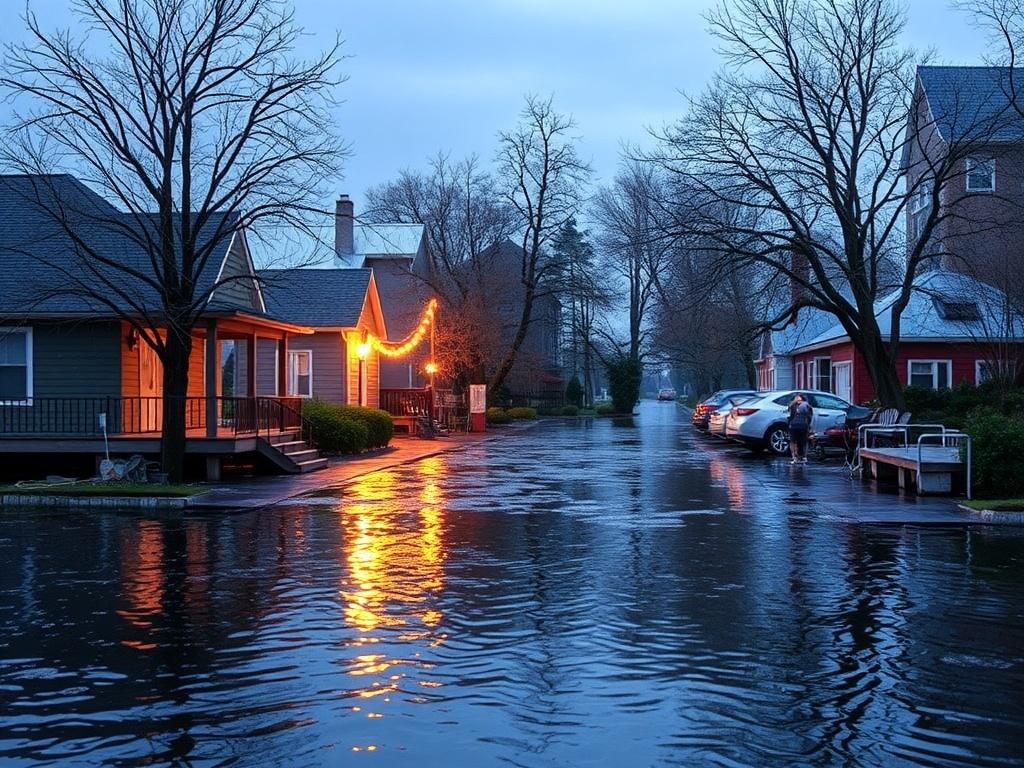
Storm surges represent one of the most hazardous natural phenomena affecting coastal regions across the globe. For waterfront property owners, especially those residing along the Cyprus coast, understanding the mechanics of these surges is vital. A storm surge occurs when powerful storm systems, including hurricanes or Mediterranean cyclones, push a dome of seawater toward the shore, elevating local sea levels well above average tides. This can lead to significant coastal flooding, causing damage to structures, erosion of the shoreline, and severe disruption to local ecosystems.
The storm surge Cyprus area experiences typically coincides with the seasonal storm season Cyprus coast residents anticipate each year. During this time, atmospheric and oceanic conditions align to create the perfect environment for storm surges. These surges are driven by two main forces: storm winds that push water ashore, and the low pressure at the storm’s center that causes water to rise. The combined effect can increase water levels by several meters, inundating low-lying waterfront properties.
Moreover, the topography of the coastline, slope of the seafloor, and presence of natural barriers such as dunes or reefs influence the extent and severity of storm surges. For waterfront homeowners, failure to appreciate these factors can result in inadequate preparations and unexpectedly high damage during flood events.
Storm surges dramatically amplify coastal flooding risks, making understanding their behavior essential for waterfront property protection in Cyprus.
Analyzing Coastal Flooding Prep Cyprus: Local Vulnerabilities and Risk Factors
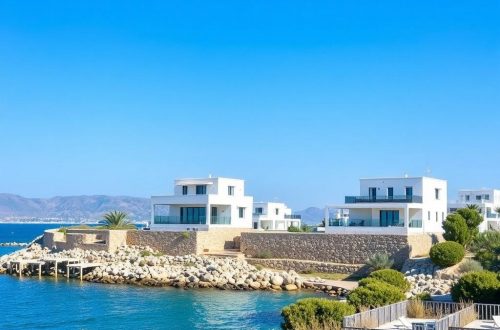
Successful coastal flooding prep Cyprus requires a deep dive into local environmental and infrastructural vulnerabilities. The Cyprus coastline features a mix of rocky cliffs, sandy beaches, and urbanized estuaries, each responding differently to storm surge pressures. Low-lying waterfront properties, particularly those positioned near bays or natural inlets, face greater susceptibility to flooding and structural damage.
A major risk factor is the region’s evolving climate patterns. Rising sea levels exacerbated by climate change increase baseline water levels, meaning that storm surges reach further inland than in previous decades. Additionally, urban expansion has altered natural drainage, often reducing the land’s ability to absorb floodwaters. Impermeable surfaces and poorly managed stormwater systems can intensify flooding impacts, turning minor surge events into major property crises.
Flood insurance claims and regional damage reports highlight that many waterfront homes suffer from foundational weakening and material deterioration caused by repeated saltwater exposure from storm surges. This necessitates an integrated approach in protection methods, including physical barriers, landscaping solutions, and emergency readiness.
Coastal flooding preparation in Cyprus hinges on recognizing the unique geographical and infrastructural challenges that intensify storm surge damage.
Effective Waterfront Property Protection Methods: Structural and Natural Defenses
Waterfront property protection demands both structural reinforcements and the smart use of natural landscapes. Owners often consider seawalls, floodgates, and elevated foundations as primary defenses against storm surge inundation. These engineered solutions help block or mitigate the forceful encroachment of water during surge events.
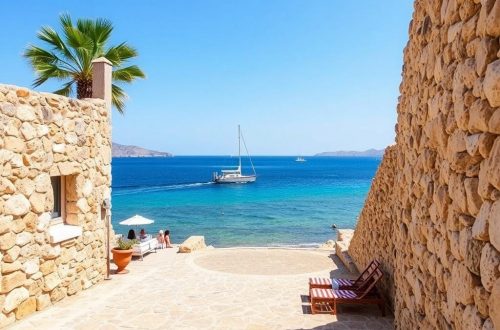
Seawalls constructed from reinforced concrete or stone are common along the Cyprus coast, providing a vertical barrier to prevent direct flooding. However, their effectiveness can be limited if not maintained properly, and they may contribute to increased erosion in adjacent areas. Floodgates installed at property entrances or along drainage channels allow for regulated water flow while preventing unchecked flooding during storms.
On the other hand, leveraging natural defenses offers a sustainable and cost-effective strategy. Maintaining or restoring dunes, planting salt-tolerant vegetation, and encouraging the growth of coral reefs or seagrass beds moderates wave energy before it reaches the shore. This form of ecosystem-based management not only protects properties but also enhances coastal biodiversity.
In some cases, combination approaches prove most effective—structural barriers fortified with natural landscape buffers create multi-layered protection against seasonal storms and chronic flooding threats.
Integrating engineered structures with natural coastal defenses offers the most resilient strategy for waterfront property protection.
Developing an Emergency Plan Seaside Home: Preparedness for the Storm Season Cyprus Coast
Beyond physical defenses, the human element remains critical. Every waterfront homeowner must develop an emergency plan seaside home tailored to the storm season Cyprus coast faces. This plan should incorporate early warning systems, evacuation routes, communication protocols, and critical resource management.
Key components include securing valuable and irreplaceable items, identifying safe zones within or outside the property, and ensuring that family members and neighbors understand procedures. Knowing how to shut off utilities such as gas, electricity, and water reduces the risk of post-flood hazards like fires or contamination. Because storm surge flooding can come swiftly and with little notice, timely monitoring of weather reports and official warnings is essential.
Emergency kits should be prepared in advance, stocked with necessary survival tools, food, water, and medical supplies to sustain occupants during isolation. Collaboration with local authorities and participation in community emergency response plans enhance resilience, enabling faster recovery after adverse events.
An actionable emergency plan for waterfront homes drastically improves safety and reduces losses during the storm season in Cyprus.
The Role of Technology and Monitoring Systems in Storm Surge Preparedness
Modern technology plays an increasingly important role in mitigating the impacts of storm surges. Hydrological sensors, tide gauges, and meteorological satellites provide real-time data critical for accurate forecasting of storm surge Cyprus events. This information allows property owners and officials to anticipate surge heights, timing, and potential breach points along the coast.
Smart home systems integrated with sensors can automate protective responses, such as closing flood barriers or alerting occupants about imminent risks. Geographic Information System (GIS) mapping and modeling offer detailed risk assessments identifying the most vulnerable zones. Such data-driven approaches inform planning and optimize resource allocation for waterfront property protection.
Emerging technologies like drones enable rapid post-storm assessments, allowing quicker identification of damaged infrastructure and prompt deployment of repair teams. Meanwhile, mobile communication platforms facilitate instantaneous updates and coordination among residents, emergency responders, and local governments.
Harnessing advanced monitoring technologies can transform storm surge preparedness from reactive to proactive, saving lives and property.
Financial Planning and Insurance Considerations for Waterfront Homeowners
Financial resilience is a crucial but often overlooked aspect of protecting waterfront properties from storm surges. Given the high costs associated with flood damage repair and property depreciation, thorough evaluation of insurance options and funding strategies is necessary. In Cyprus, specialized flood and storm surge insurance policies may be offered through private insurers or government-backed programs.
Property owners must carefully review coverage limits, deductibles, and exclusions—especially regarding damage caused by rising sea levels or lack of maintenance. Additionally, investing in mitigation measures often reduces insurance premiums, creating a financial incentive for proactive protection.
Planning for storm damage costs also means maintaining an emergency fund that can be promptly accessed following a surge event. Access to grants or low-interest loans from environmental or disaster recovery agencies provides additional support. Proper documentation, including photographs and records of property conditions, expedites insurance claims and recovery processes.
Comprehensive financial planning, including insurance and mitigation investments, underpins long-term waterfront property protection strategies.
Legal and Regulatory Framework Surrounding Waterfront Waterfront Property Protection in Cyprus
Waterfront property protection is influenced heavily by local, national, and international regulations. In Cyprus, coastal zoning laws, environmental protection statutes, and building codes govern what physical alterations a property owner can implement to defend against storm surges. Compliance with these frameworks ensures that protective measures do not inadvertently violate ecological safeguards or exacerbate flooding issues for neighboring areas.
For example, construction of seawalls or other barriers often requires permits from municipal authorities and environmental agencies. Certain locations may prohibit hard structures in favor of soft engineering solutions to preserve natural habitats. Additionally, adherence to European Union directives on coastal management shapes local policies.
Understanding these legalities is paramount to avoid costly delays or forced removal of improperly installed defenses. Consultation with legal experts and regulatory bodies can streamline compliance and maintain harmony between protection efforts and community standards.
Navigating the legal landscape is essential to ensure safe, compliant, and effective waterfront property protection in Cyprus.
Implementing Sustainable Long-Term Strategies for Waterfront Resilience
As the storm season Cyprus coast residents face shows no sign of abating, attention must turn toward sustainability in waterfront property protection. Resilience over decades involves anticipating future climate scenarios and integrating adaptive strategies that evolve with changing conditions. This includes investment in green infrastructure, community education, and ecosystem restoration.
Innovative solutions like living shorelines, which combine vegetation and engineered structures, offer both durability and ecological benefits. These approaches promote shoreline stability and provide habitats while absorbing some storm energy. Regular maintenance of drainage systems and property elevation are complementary tactics that improve flood resistance.
Moreover, encouraging community-wide engagement in storm surge awareness fosters cooperative management of shared risks. Property owners who adopt resilient practices contribute to a larger network of protection that benefits the entire coastline from Cyprus to the eastern Mediterranean.
Long-term sustainability depends on blending innovative engineering with ecological stewardship to protect waterfront properties against evolving storm surge threats.
From Risk to Readiness: Empowering Your Waterfront Property Against Storm Surges
Preparing for seasonal storm surges is not a one-time effort but a continuous process requiring vigilance, knowledge, and action. Waterfront property protection near the Cyprus coast demands a multidisciplinary approach, combining an understanding of natural processes, technological tools, legal frameworks, and efficient emergency planning. Delaying preparation exposes homes and families to unnecessary risks.
By investing in robust and adaptable defenses, staying informed of storm season Cyprus coast projections, and fostering a proactive safety culture, homeowners transform vulnerability into preparedness. The capacity to endure and recover from storm surges strengthens not just individual properties but the coastal community as a whole.
With comprehensive awareness, strategic investment, and disciplined execution, waterfront owners can confidently face the storm surge challenge, safeguarding their properties for generations to come.
Empowered by knowledge and preparedness, waterfront property owners can turn the tide against storm surge threats.
Frequently Asked Questions
- What exactly causes a storm surge, and why is it so dangerous for waterfront properties?
A storm surge is caused by strong storm winds pushing seawater toward the shore, combined with low atmospheric pressure raising sea levels. It is dangerous because it can cause sudden and severe flooding, damaging structures and overwhelming natural and man-made defenses. - How can I best prepare my waterfront property for the storm season in Cyprus?
Preparation involves a combination of installing structural barriers, maintaining natural coastal features, creating an emergency evacuation plan, staying informed through monitoring systems, and ensuring proper insurance coverage. - Are seawalls always the best solution for waterfront property protection?
Not always. While seawalls provide strong physical barriers, they can lead to increased erosion around unprotected areas and may require significant maintenance. A combination of natural defenses and engineered solutions often yields better long-term results. - What should an emergency plan for a seaside home include?
An emergency plan should feature evacuation routes, communication protocols, utility shutoffs, emergency supply kits, and coordination with local authorities to ensure safety during storm surge events. - Does Cyprus offer specific flood insurance for storm surge-related damage?
Yes, certain private insurers and government programs provide flood insurance tailored to the risks faced in Cyprus. Coverage details vary and should be reviewed carefully to match property and location needs. - How do climate change and rising sea levels affect storm surge risks in Cyprus?
Rising sea levels increase the baseline water height, making storm surges more severe and allowing flooding to reach further inland, thereby increasing damage risk over time. - Is it necessary to get permits before installing protective structures on waterfront property?
Yes, local laws in Cyprus require permits for building seawalls or other barriers to ensure compliance with environmental and zoning regulations.
Author

Petros Christofi
On any given morning you’ll catch me balancing a drone’s view of Cyprus rooftops with a spreadsheet of residency permits. I’m a migration solicitor who tackles visa rules like sudoku—every line must resolve neatly before sunset. After sealing a property deal, I pedal the Salt Lake trail to test if a buyer’s new commute feels right. My mission is simple: decode the island’s paperwork so you can start calling the mezé place “your local.”