Waterfront Property Maintenance: Dealing with Salt Air and Humidity
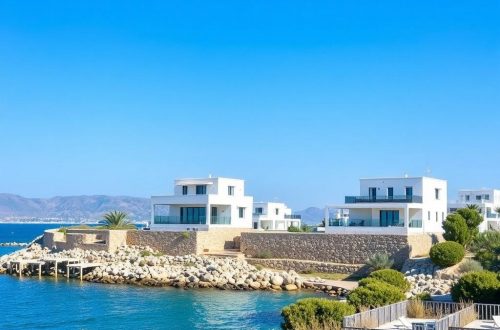
Owning or managing a waterfront property presents a unique blend of rewards and technical challenges. The daily spectacle of tide, wind, and horizon is balanced by ongoing maintenance demands that are far different from inland properties. For anyone who plans to buy a coastal home or manage an existing asset, understanding how salt-laden air and elevated humidity affect materials, systems, and long-term value is essential. This article dives into the mechanics of marine corrosion, practical construction choices, targeted maintenance cycles, and the regulatory and market context you need to make informed decisions about waterfront ownership. If you want to explore opportunities or listings, consider to buy property in Paphos as an example of how lifestyle and technical upkeep intersect on the Mediterranean coast.
The information that follows addresses properties in a marine environment property context broadly, and it includes specifics that are directly applicable to owners and managers within Cyprus and other temperate coastal regions. Expect detailed explanations of material behavior, prioritized action plans, tool lists for inspections, and decision frameworks for contractors and budgets. Technical clarity is the goal: you should be able to read a section and immediately apply its recommendations to an inspection, a procurement decision, or a maintenance contract for waterfront home care.
Salt-laden air and high humidity create an accelerated decay regime for buildings; methodical, technically informed maintenance converts vulnerability into manageable cost.
Understanding the Marine Environment and Its Effects on Buildings
The marine atmosphere is chemically and physically distinct from inland climates. Salt particles (primarily sodium chloride) become aerosolized by wave action and wind, forming a persistent, hygroscopic film on exposed surfaces. Once deposited, these salts attract and retain moisture even when ambient humidity dips, creating micro-environments where corrosion, biological growth, and chemical degradation proceed faster than they would inland. The result is a compound set of stresses on metals, concrete, timber, and finishes that demands a specific stewardship approach.
A mechanistic understanding helps prioritize interventions. Metals exposed to chloride-bearing aerosols undergo pitting and galvanic corrosion. Unprotected concrete absorbs salts which accelerate rebar corrosion via chloride-induced depassivation; as steel corrodes it expands, causing cracking and spalling in the concrete. Timber exposed to salt air and moisture becomes prone to surface erosion, salt crystallization, and colonization by decay fungi and borers where humidity remains high. Non-metal components—sealants, paints, glazing gaskets—age more rapidly because salts and UV radiation combine to break down polymers in oxidative or hydrolytic pathways.
Microclimatic variations matter: windward facades and elevations within splash zones see higher deposition rates than sheltered or leeward sides. Thermal mass and solar exposure alter drying cycles, so identical materials on different elevations or orientations can age at dramatically different rates. On a property level, small design choices—overhangs, screening, vegetation barriers—change deposition patterns and therefore maintenance costs significantly.
| Environmental Driver | Primary Mechanism | Typical Impact on Materials |
|---|---|---|
| Salt aerosol | Surface deposition, hygroscopic moisture retention | Metal pitting, concrete chloride ingress, accelerated polymer breakdown |
| High relative humidity | Prolonged material wetting, condensation cycles | Biological growth, timber decay, metal corrosion |
| UV radiation | Photodegradation of organic coatings and sealants | Paint chalking, sealant cracking, reduced service life |
Why chloride concentration and wet/dry cycles are decisive
Corrosion rates are often controlled by the combined effect of chloride concentration and the frequency of wet/dry cycles. When surfaces remain perpetually wet, some corrosion mechanisms differ from alternating wet/dry exposure; the latter often results in salt crystallization and mechanical stresses on coatings. Monitoring local chloride deposition—either via spot sampling or reference coupons—gives predictive insight into expected material performance and helps tailor maintenance intervals effectively.
Wet/dry cycles plus chloride deposition create the most aggressive corrosion regime for coastal properties; measuring deposition guides practical maintenance scheduling.
Material Selection: What Works Best on the Coast
Choosing materials with proven durability in marine exposures reduces reactive maintenance and extends service intervals. The correct selection involves matching material properties to the expected depositional and moisture loads on each building element. This is not a one-size-fits-all exercise: trim, structural steel, fasteners, balconies, and roofing each have different exposure characteristics and therefore merit individual specification strategies.
When specifying materials for waterfront home care, prioritize innate corrosion resistance, compatibility between dissimilar materials to avoid galvanic couples, and physical characteristics such as permeability and capillarity. Consider maintenance access: some materials can be small-maintenance-high-cost while others are low-cost-high-maintenance. The goal is to optimize lifecycle cost rather than initial outlay alone.
Recommended material choices and rationale
Below are categories with practical guidance: metals, concrete and masonry, timber, and surface finishes. Each selection is driven by technical properties relevant to marine exposure.
- Metals: Use duplex stainless steels (e.g., 2205) or marine-grade stainless (316L) for exposed fittings, and aluminum alloys with robust anodizing for coastal trim; avoid bare carbon steel in exposed positions unless it will be encapsulated and regularly maintained. Use cathodic protection or sacrificial anodes for submerged or splash-zone components.
- Fasteners and connectors: Specify stainless (A4/316) or non-metallic fasteners to prevent galvanic attack; where dissimilar metals meet, insert dielectric barriers and use compatible sealants.
- Concrete and masonry: Design with low-permeability concrete mixes, increased cement content, supplementary cementitious materials (silica fume, fly ash) to lower chloride ingress, and epoxy-coated or galvanized reinforcement where required.
- Timber: Select naturally durable species or engineered, pressure-treated timbers rated for exterior saltwater exposure; use breathable, microporous coatings that shed water while allowing moisture vapor transmission to avoid trapping salts.
- Finishes: Use high-solids, marine-grade coatings for exposed metals and UV-stable elastomeric paints for rendered surfaces; replace perimeter sealants with long-life polysulfide or polyurethane formulations specified for marine use.
Fasteners, interfaces, and detailing
Interfaces are common failure points. Fasteners perpendicular to wind-driven salt deposition draw salts into concealed interfaces and accelerate failure. Wherever possible, minimize crevices, design for positive drainage, and select fasteners that can withstand the same or greater environmental challenge than the parts they join. Applying thin hydrophobic primers beneath head-cap fasteners and engineering consistent drainage channels within composite sections reduces localized trapping of salts and moisture.
Material compatibility at interfaces determines whether an element lasts a decade or fails in half the time; design for drainage and use matching corrosion-resistant fasteners.
Design Strategies to Minimise Salt Air Damage
Architectural design choices can significantly reduce long-term maintenance burdens. Design strategy is an often-overlooked investment: well-detailed shelters, overhangs, orientation, and circulation paths change exposure patterns and reduce deposition. The objective is to minimize the time critical materials are wet while limiting direct impingement of salt spray.
Key levers include geometry, orientation, and protecting vulnerable elements. Overhangs and deep eaves reduce direct salt deposition on windows and doors. Recessed balconies, screening, and louvres offer physical barriers without obstructing views, but they must be designed to avoid creating stagnant, high-humidity internal cavities where mildew and wood decay can start.
Passive design elements
Passive measures that should be incorporated into new designs and retrofits include strategic placement of mechanical rooms away from prevailing wind-driven deposition, positioning of HVAC intakes on sheltered elevations, and using plant buffers and engineered berms to reduce particulate transport. Material placement maps—showing expected deposition gradients across the building envelope—are a simple planning tool to guide where to place more resilient materials and where cosmetic materials may be acceptable.
Active design measures and detailing
Active strategies include specifying wash-down systems for decks and external steelwork, designing for periodic rinsing of vulnerable facades, and integrating inspection access into the architectural plan to make maintenance safe and straightforward. For properties with mooring or splash zones, incorporate access for underwater inspection and cathodic protection where structural elements are submerged or regularly wet.
Good design dramatically reduces cumulative maintenance; orient intakes, overhangs, and access to make routine care efficient and effective.
Maintenance Schedule and Practical Routines
Creating a realistic, prioritized maintenance schedule tailored to the intensity of marine exposure is essential. A schedule must be actionable: list tasks, frequencies, tools required, expected labor hours, and acceptance criteria for when replacement rather than repair is warranted. The maintenance plan should explicitly connect inspection observations (e.g., degree of paint chalking, presence of pitting on fasteners, depth of concrete cracks) to decision thresholds.
Maintenance frequency depends on microclimate, material selection, and use patterns. A four-tiered approach—weekly/seasonal, quarterly, annual, and multi-year cycles—helps allocate resources sensibly. Weekly tasks are typically cleaning and checking drainage; seasonal tasks include pre-summer HVAC checks; annual inspections cover coatings, structural connections, and below-deck fittings; multi-year interventions include repainting, significant re-sealing, and replacement of sacrificial elements.
Sample annual maintenance checklist
- Clear and inspect gutters, downpipes, and drains; verify positive drainage away from foundations.
- Rinse and inspect exterior metalwork for pitting; remove light surface deposits and apply corrosion inhibitor to suspect fittings.
- Inspect sealants around glazing and openings; document adhesion and cohesion and reseal where cracks or adhesion loss exceed 10 mm in length.
- Perform HVAC filter changes and inspect condensate lines for blockages or corrosion.
- Check timber for elevated moisture content; verify finishes and recoat high-exposure trim where gloss has reduced or salt crystallization is apparent.
Documenting each inspection in a simple log with photographs increases the value of the schedule over time; trending allows preemptive replacement before emergent failures cause water ingress or structural damage.
Paints, Coatings, and Protective Treatments
Surface protection is the frontline defense against salt air damage Cyprus properties face. Coatings extend service life but only if properly specified and applied. The system approach—surface preparation, primer, mid-coat, topcoat—matters more than a single “marine” product label. Substrate preparation controls adhesion; incompatible primers create false security and accelerate failure.
For metals, use multi-coat systems with an appropriate primer (epoxy for adhesion and barrier properties), intermediate coatings for film build, and topcoats chosen for UV resistance and chemical compatibility with local cleaning regimes. Ceramic-infused topcoats offer higher abrasion resistance for railings and deck fittings. For concrete, silane or siloxane impregnations can limit water uptake while allowing vapor transmission; epoxy injection can be appropriate for structural crack remediation when directed by a structural engineer.
Protective strategies for specific elements
Decks and balconies: Use slip-resistant, breathable deck coatings designed for cyclic loads and salt exposure. Avoid fully impermeable membranes that trap moisture beneath. Railings and balustrades: Choose systems that facilitate replacement of corroded elements; design connections to be accessible for inspection and sacrificial anode replacement. Windows and doors: Use anodized or powder-coated aluminum with high-quality gaskets and overhang protection; spec stainless steel hardware and consider sacrificial coatings for hardware exposed to spray.
Coatings protect only as well as their surface preparation and system compatibility allow; prioritize specification discipline and correct application in salty climates.
HVAC, Moisture Control, and Indoor Air Quality
Indoor systems on waterfront properties work harder to maintain comfort and prevent moisture damage. High outdoor humidity increases latent loads and requires properly sized dehumidification and ventilation systems. HVAC systems themselves are vulnerable components: outdoor coils exposed to salt air can corrode, reducing efficiency and increasing energy consumption, and condensate drains can deposit salts that clog lines or foster microbial growth.
Design HVAC intakes and condensate routes to minimize salt buildup: locate intakes away from prevailing spray, install corrosion-resistant condensate pans and drainage, and specify coil treatments or coatings for outdoor units. Include humidity sensors that control dehumidifiers and ventilation to maintain indoor relative humidity in a range that prevents mold growth (generally 40–60% RH) while ensuring occupant comfort.
Operational practices to protect systems
Regularly clean external condenser fins, replace filters monthly during high-use seasons, and inspect condensate lines and pans seasonally. Consider packaged heat recovery ventilators with washable or replaceable cores to provide controlled ventilation without excessive energy penalty. For immersion water systems, ensure that potable and non-potable water systems are segregated and protected from salt intrusion by check valves and pressure differentials.
Controlling indoor humidity is as crucial to preserving building systems as protecting exterior materials; both reduce long-term repair costs and health risks.
Landscaping, Drainage, and Erosion Control
Exterior site design affects how salt and moisture interact with the built fabric. Landscaping choices can act as windbreaks and salt filters; proper grading and drainage control where salt-laden water pools and infiltrates foundations. Native, salt-tolerant plants slow and trap airborne salts, reducing the concentration reaching the building envelope. Hardscape materials must be selected and detailed to shed water and resist salt crystallization that can degrade joints and surfaces.
Manage surface runoff to move saline water away from foundations and planting beds that may be sensitive. Drainage designs should avoid discharging saltwater onto paved terraces or into areas where it will return by capillary action to foundations. On coastal lots, attention to coastal processes—tidal range, storm surge potential, and long-term shoreline retreat—should influence the siting and elevation of structures to minimize exposure to direct wave action.
Practical landscaping measures
- Establish living windbreaks with salt-tolerant shrubs and trees positioned to protect the primary building envelope without creating stagnant humidity zones.
- Use permeable paving to reduce splash-driven salt transport and provide filtration of surface water.
- Specify corrosion-resistant subsurface drainage components (PVC or HDPE) to prevent early failure from saline infiltration.
Working with Local Contractors and Regulations in Cyprus
Local knowledge matters. Contractors and suppliers familiar with coastal property conditions in Cyprus bring practical solutions grounded in years of regional experience. They understand local material availability, proven coatings, and the customary detailing that resists salt air damage Cyprus properties typically face. Working with local architects and engineers also ensures compliance with municipal codes and national regulations that affect coastal construction, shoreline setbacks, and permitted interventions on waterfront land.
When choosing contractors, prioritize demonstrated experience with marine projects, documented warranties, and clear scope definitions. Procurement should require trial mock-ups of exterior finishes and connection details, especially for bespoke elements like balcony balustrades and waterfront fenestration. Mock-ups allow observation of how materials weather over a season and provide data to refine maintenance frequency and product selection.
Permits, coastal regulations, and due diligence
In Cyprus and comparable jurisdictions, coastal zones often have layered regulations aimed at preserving public access, managing erosion, and protecting sensitive ecosystems. Owners planning new builds or significant retrofits must research local codes governing distances from the shore, permitted materials in certain zones, and restrictions on shoreline hardening. Environmental impact studies may be required for larger projects, particularly where construction could affect marine habitats or increase erosion risk.
Engage local professionals early; regulatory compliance, material sourcing, and proven detailing lower both risk and long-term cost in coastal projects.
Cost Considerations and Long-Term Value
Cost analysis should consider initial capital costs, predictable maintenance, and the long-term impact on resale and rental value. Higher-quality materials and better detailing increase upfront costs but often reduce lifetime expenditure. Many owners misunderstand the difference between cosmetic and structural deterioration: minor surface paint failure may be cosmetic but unchecked can allow moisture ingress and structural harm, producing costs multiples higher than routine repainting.
Budgeting should therefore be layered: an operational maintenance fund for routine tasks, a mid-term reserve for cyclical replacement (sealants, topcoats, filters), and a long-term capital reserve for replacement of major assemblies (balconies, HVAC systems, structural repairs). Forecast reserves using conservative service lives adjusted for marine exposure: for example, reduce typical inland coating life expectancy by 25–50% for similar product specifications.
Assessing lifecycle cost vs. replacement cost
Use net-present-value thinking when comparing materials: an initial higher cost for duplex stainless fasteners might be offset by eliminated replacement labor and reduced risk of consequential water damage. For rental or resale markets—such as buyers looking to buy property in Paphos—practical, visible maintenance practices and durable finishes translate into market premiums and lower vacancy risk. Conversely, properties with deferred maintenance accumulate hidden liabilities that become negotiation points or sale barriers.
Case Study: Practical Retrofit of an Older Waterfront Home
Consider a mid-1980s waterfront villa that suffers from recurring balcony corrosion, blistered exterior paint, and frequent HVAC coil replacement. A focused retrofit can be staged to manage budget impact while addressing root causes. The first stage is a diagnostic audit: chloride testing of concrete, metallurgical inspection of failed fasteners, and a thermal-hygrometric assessment to understand indoor moisture patterns. These diagnostics yield a ranked repair list with estimated service lives and confidence levels.
The second stage addresses the envelope: replace corroded balcony anchors with stainless systems, inject epoxy and replace cover concrete where rebar corrosion has initiated cracking, and install breathable, microporous coatings after thorough surface preparation. Stage three reallocates maintenance workloads: install accessible rinse points for balconies and elevated elements, relocate HVAC intakes, and convert to a mechanical ventilation system with humidity control. Final stage adjustments include landscaping modifications to establish a salt-trapping buffer and a documentation package that converts the retrofit into a clear maintenance schedule for future owners.
Outcome and performance metrics
Measured results after two years included reduced HVAC coil replacements, fewer emergency repairs, and stabilized chloride ingress in repaired concrete sections. The owner found that modest increases in annual maintenance spend paid for themselves through avoided emergency replacements and higher marketability—evidence that targeted investment in waterfront home care achieves both technical and financial returns.
Diagnostics-driven retrofits address cause not symptom; staged repairs with measurable metrics provide both technical assurance and budget control.
Tools, Inspection Checklists, and When to Call a Specialist
Equipping a property manager or homeowner with the right tools improves inspection quality and decision-making. Basic tools include a moisture meter for timber and masonry, a hand-held salt meter or test coupons for chloride deposition, a borescope for confined inspections, and a high-resolution camera for photographic records. For more advanced diagnostics, electrochemical half-cell potentials for concrete, ultrasonic thickness gauges for metalwork, and thermographic imaging for moisture and insulation anomalies are invaluable.
Use a standard inspection checklist and score each element; items scoring below a predetermined threshold trigger escalation. For example, when paint adhesion tests show loss of adhesion exceeding 20% over an area, or when pitting depth on steel exceeds a specified threshold, replacement should be planned rather than more intensive maintenance. Bringing in specialists—corrosion engineers, structural engineers, or marine ecologists—is warranted when inspections reveal problems beyond routine corrosion or when repairs affect structural integrity or shoreline ecology.
- Basic inspection cadence: monthly visual checks, quarterly functionality checks (gates, drains), annual full envelope review with photographic documentation.
- Tools to keep on-site: moisture meter, digital camera, basic hand tools, personal protective equipment, and a logbook for service records.
- Call a specialist when structural cracks widen, rebar is exposed and actively corroding, or when you detect persistent water ingress despite sealed joints.
Keeping Your Waterfront Investment Resilient: A Practical Roadmap
Waterfront ownership in regions such as Cyprus combines lifestyle attraction with a specific maintenance imperative. Resilience is not about eliminating exposure but about designing, building, and operating with the marine environment in mind. A practical roadmap includes upfront material selection, design measures that reduce deposition and moisture retention, disciplined inspection and maintenance cadences, and relationships with local contractors who understand coastal property requirements. Waterfront home care becomes manageable when these elements are integrated into a single plan that is audited and updated on a regular basis.
For prospective owners in Mediterranean markets, cyprus coastal living tips focus on being proactive: choose properties with visible evidence of good detailing and maintenance, insist on independent inspections, and allocate budget reserves reflecting the reality of salt air damage Cyprus properties face. Make lifecycle performance, not lowest initial price, your guiding metric. Whether you are managing a family home, a rental unit, or a portfolio of coastal assets, the tactics in this article provide an operational path from diagnosis to durable stewardship.
Proactivity beats reactivity; plan for the marine environment and you convert coastal exposure from an expense into a predictable, manageable element of ownership.
Action checklist to start today
Begin with a focused audit: document current coating conditions, test for chloride levels in concrete and on metal coupons, and inventory HVAC and external fittings that are exposed to spray. From there, implement the most impactful, low-cost measures such as rerouting intakes, improving drainage, and establishing a photographic inspection routine. Schedule a mid-term budget for coatings and sealants and develop a three-year contract with a local service provider experienced in coastal properties to ensure continuity of care.
Finally, treat documentation and knowledge transfer as assets: maintain a clear maintenance log, store manufacturer data sheets and warranties in an accessible format, and ensure any purchaser or property manager can quickly understand the maintenance history and rationale behind design choices. These practices increase both operational certainty and market confidence when the time comes to sell or lease a waterfront property.
Frequently Asked Questions
- How often should I conduct a full exterior inspection on a waterfront property?
Answer: Conduct a full exterior inspection at least annually, supplemented by quarterly targeted checks of high-exposure items (balconies, railings, HVAC intakes) and monthly visual reviews of drainage and sealants.
- What are the most cost-effective upgrades to reduce salt air damage?
Answer: Prioritize proper drainage, replace vulnerable fasteners with A4/316 stainless or equivalent, install overhangs and screens to reduce direct deposition, and schedule routine rinsing of exposed surfaces.
- Can I use standard paints and sealants used inland on a coastal home?
Answer: No. Use marine-grade or UV-stable, salt-resistant coatings and long-life sealants formulated for exterior marine exposure; inland-grade products typically lack the chemical and UV resistance needed.
- How should I budget for maintenance if I plan to buy property in Paphos or another coastal location?
Answer: Allocate an annual maintenance fund for routine tasks, a mid-term reserve for cyclic replacements (sealants, coatings), and a long-term capital reserve for structural or system replacements; increase typical inland estimates by 20–50% depending on exposure severity.
- When is it necessary to bring in a corrosion or structural specialist?
Answer: Engage a specialist when you observe active rebar corrosion with concrete spalling, significant pitting or section loss in structural metal, or recurring water ingress despite localized repairs.
- What immediate steps can reduce deterioration after I purchase a waterfront property?
Answer: Perform an initial diagnostic audit, clean and flush external surfaces to remove salts, relocate HVAC intakes if necessary, and establish an inspection schedule with photographic logging to catch issues early.
- Are there simple landscaping strategies to protect a coastal building?
Answer: Yes. Plant salt-tolerant shelterbelts to reduce wind-driven salt, use permeable paving to limit splash transport, and grade surfaces to direct saline runoff away from foundations and planted beds.
Author

Petros Christofi
On any given morning you’ll catch me balancing a drone’s view of Cyprus rooftops with a spreadsheet of residency permits. I’m a migration solicitor who tackles visa rules like sudoku—every line must resolve neatly before sunset. After sealing a property deal, I pedal the Salt Lake trail to test if a buyer’s new commute feels right. My mission is simple: decode the island’s paperwork so you can start calling the mezé place “your local.”